The Growing Popularity of Bond-Building Hair Treatments: What They Do and Who Needs Them
By L'ANGE | Published: 2026-06-09
Category: Industry News
Discover the science behind bond-building hair treatments, their role in repairing damaged hair, and which hair types benefit most. Learn about trends in hair repair technology and how to integrate these treatments into your routine.
In the ever-evolving world of hair care, few innovations have captured the attention of stylists and consumers as quickly as bond-building hair treatments. Once a niche professional service, these reparative formulas have exploded into the mainstream, becoming a cornerstone of damaged hair treatment routines. But what exactly are bond builders, and why are they so effective? More importantly, who truly needs them? This article dives deep into the science, the trends, and the practical applications of bond-building technology to help you decide if it’s right for your hair.
What Is a Bond-Building Hair Treatment?
At its core, a bond-building hair treatment is designed to repair the internal structure of the hair fiber. Hair is made up of long chains of amino acids (mostly keratin) that are held together by chemical bonds—including hydrogen bonds, salt bonds, and disulfide bonds. Disulfide bonds are the strongest and give hair its strength and elasticity. When hair is exposed to chemical services (like bleaching, coloring, or perming), heat styling, or environmental stressors, these bonds can break. Bond builders work by penetrating the hair cortex and re-linking these broken disulfide bonds, restoring the hair’s structural integrity from the inside out.
Why Are Bond Builders Trending Now?
The rise of bond-building treatments is closely tied to several key hair repair trends. First, there has been a massive surge in at-home hair coloring and bleaching, especially since the pandemic. DIY color mishaps often lead to over-processed, fragile hair. Second, the popularity of heat styling tools has never been higher—from curling wands to flat irons and hair dryer brushes. While these tools deliver stunning results, repeated high-heat exposure can degrade the hair’s internal bonds over time. Third, consumers are becoming more ingredient-conscious and demanding products that deliver real, measurable repair rather than just temporary smoothing. Bond builders offer a solution that addresses the root cause of damage, not just the symptoms.
How Do Bond-Building Treatments Work?
The key mechanism involves small molecular compounds (often maleic acid or similar patented ingredients) that can penetrate the hair shaft. Once inside, they target broken disulfide bonds and reconnect them. Unlike traditional conditioners that coat the hair’s surface, bond builders work internally. This means the results are cumulative and lasting—each treatment reinforces the hair’s natural structure. Many professional systems involve a multi-step process: a bonding step, a neutralizer, and sometimes a booster. At-home versions are often formulated as pre-shampoo treatments, leave-in sprays, or additives to your regular conditioner.
Who Needs a Bond-Building Treatment?
While bond builders are often marketed to those with chemically processed hair, they can benefit a much wider audience. Here’s a breakdown:
- Color-Treated and Bleached Hair: This is the most obvious group. Bleaching breaks a high number of disulfide bonds, leaving hair porous, brittle, and prone to breakage. Regular bond-building treatments can dramatically improve strength and shine.
- Heat Styling Enthusiasts: If you regularly use hot tools such as curling wands, flat irons, or hair dryer brushes, the cumulative heat damage can weaken bonds over time. For instance, using a high-quality tool like the L'ANGE Hair Le Curl 25 MM Titanium Curling Wand can minimize damage thanks to its even heat distribution, but bond builders add an extra layer of internal protection.
- Fine or Fragile Hair: People with naturally fine hair often experience breakage even without chemical processing. Bond builders can reinforce the hair’s structure, making it more resilient.
- Frequent Swimmers or Sun Exposure: Chlorine, salt water, and UV rays can all break down hair bonds. A bond-building treatment can help counteract this environmental damage.
- Those with Naturally Curly or Coarse Hair: Curly hair is already more prone to dryness and damage due to its structure. Bond builders can improve elasticity and reduce frizz.
Signs Your Hair Needs Bond Repair
Not sure if you need a bond-building treatment? Look for these telltale signs of damaged hair: excessive breakage or split ends, hair that feels gummy or overly soft when wet, lack of elasticity (hair snaps when stretched), dull appearance, and difficulty holding a curl or style. If you notice any of these, your hair’s internal bonds may be compromised.
Integrating Bond Builders into Your Routine
Using a bond-building treatment is straightforward but requires consistency. Most professional systems recommend an initial intensive phase (often 3-6 treatments) followed by maintenance sessions every 4-6 weeks. At-home products can be used more frequently, depending on the formula. It’s important to remember that bond builders are not an overnight fix—they work best when used as part of a holistic hair care routine that includes gentle cleansing, regular deep conditioning, and minimizing heat exposure.
When it comes to heat styling, choosing tools that are designed to minimize damage is equally important. For example, the L'ANGE HAIR Le Vite Curve Ceramic Straightening Brush (Black) features ceramic technology that heats evenly and reduces hot spots, helping to preserve your hair’s integrity while you style. Pairing such tools with a bond-building treatment creates a powerful synergy: the tool reduces additional damage while the treatment repairs existing damage.
Bond Builders vs. Other Damaged Hair Treatments
It’s easy to confuse bond builders with other reparative products like protein treatments, deep conditioners, or keratin masks. Here’s a quick comparison:
| Treatment Type | How It Works | Best For |
|---|---|---|
| Bond Builder | Rebuilds broken disulfide bonds inside the hair | Chemically damaged, heat-damaged, fragile hair |
| Protein Treatment | Adds protein to fill gaps in the hair cuticle | Weak, brittle hair (temporary strength) |
| Deep Conditioner | Delivers moisture and lipids to the hair surface and cortex | Dry, dehydrated, or frizzy hair |
| Keratin Treatment | Adds a layer of keratin to smooth the cuticle | Frizz control and straightening |
As you can see, bond builders are unique in their ability to repair the internal structure. They are not a substitute for moisture or protein but rather a complementary step. For example, if your hair is both dry and damaged, you might use a bond builder followed by a deep conditioner. If your hair is over-processed and limp, a bond builder can restore strength without weighing hair down.
Common Myths About Bond-Building Treatments
With any trending hair care technology, misconceptions abound. Let’s debunk a few:
- Myth: Bond builders are only for bleached hair. While they are essential for bleached hair, anyone with heat damage, environmental damage, or even high-porosity hair can benefit.
- Myth: You can overuse bond builders. Unlike protein treatments, which can cause stiffness if overused, bond builders are generally safe for frequent use as long as you follow the product instructions.
- Myth: Bond builders replace your regular conditioner. Not true. Bond builders are a treatment step, not a replacement for moisture. You still need a conditioner to hydrate and soften the hair.
- Myth: All bond builders are the same. Formulas vary significantly. Some are designed for professional use only, while others are gentle enough for daily at-home application. Always check the instructions and choose one suited to your hair type.
The Future of Hair Repair Trends
As bond-building technology continues to evolve, we’re seeing exciting innovations. Newer formulas are being developed that work synergistically with other active ingredients like peptides, ceramides, and hyaluronic acid. We’re also seeing bond builders integrated into styling products like heat protectants and leave-in treatments, making it easier to incorporate repair into every step of your routine. Another trend is the rise of bond-building shampoos and conditioners for maintenance between intensive treatments. The industry is moving toward a more holistic approach to hair health, where repair and prevention go hand in hand.
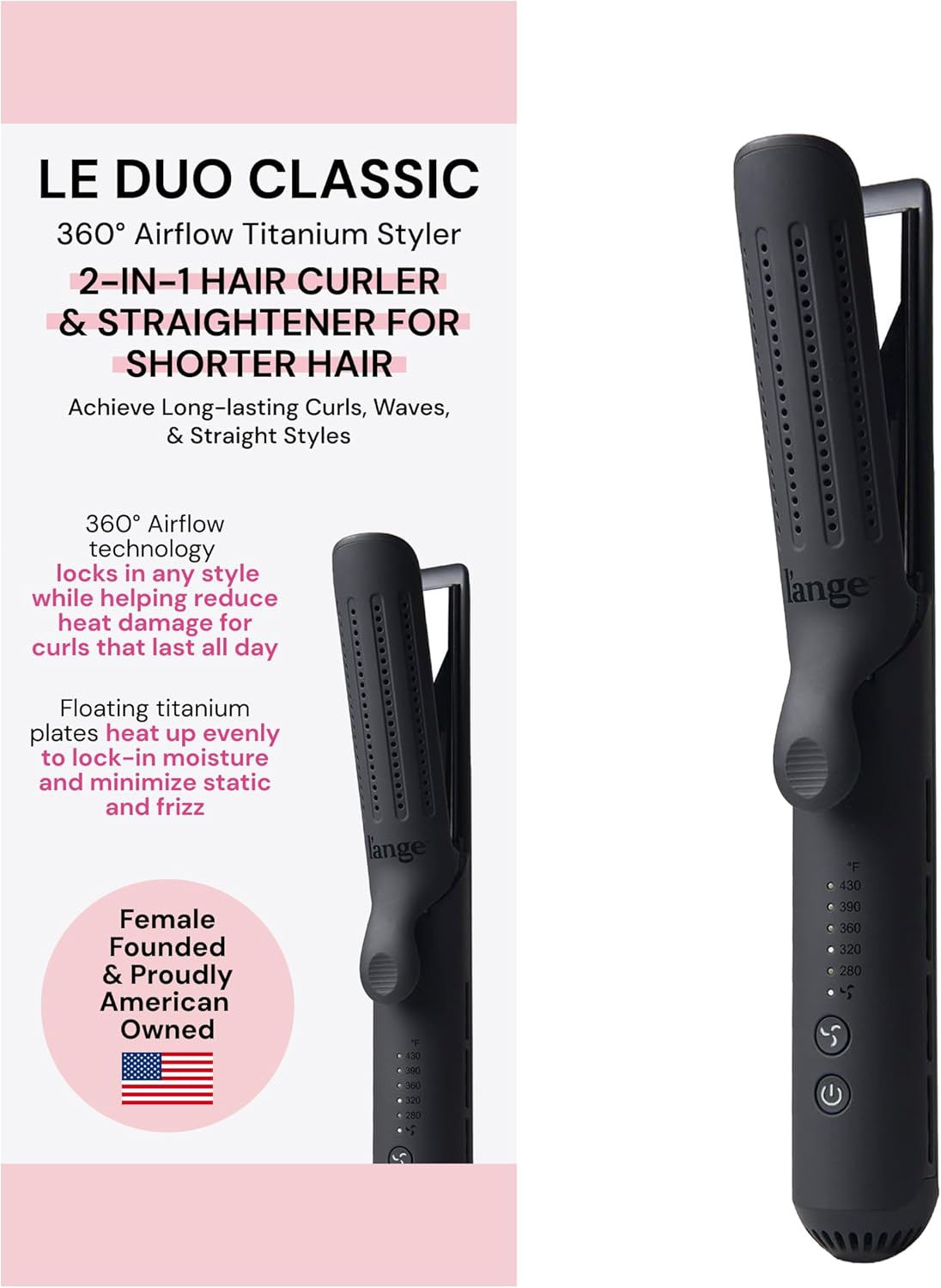
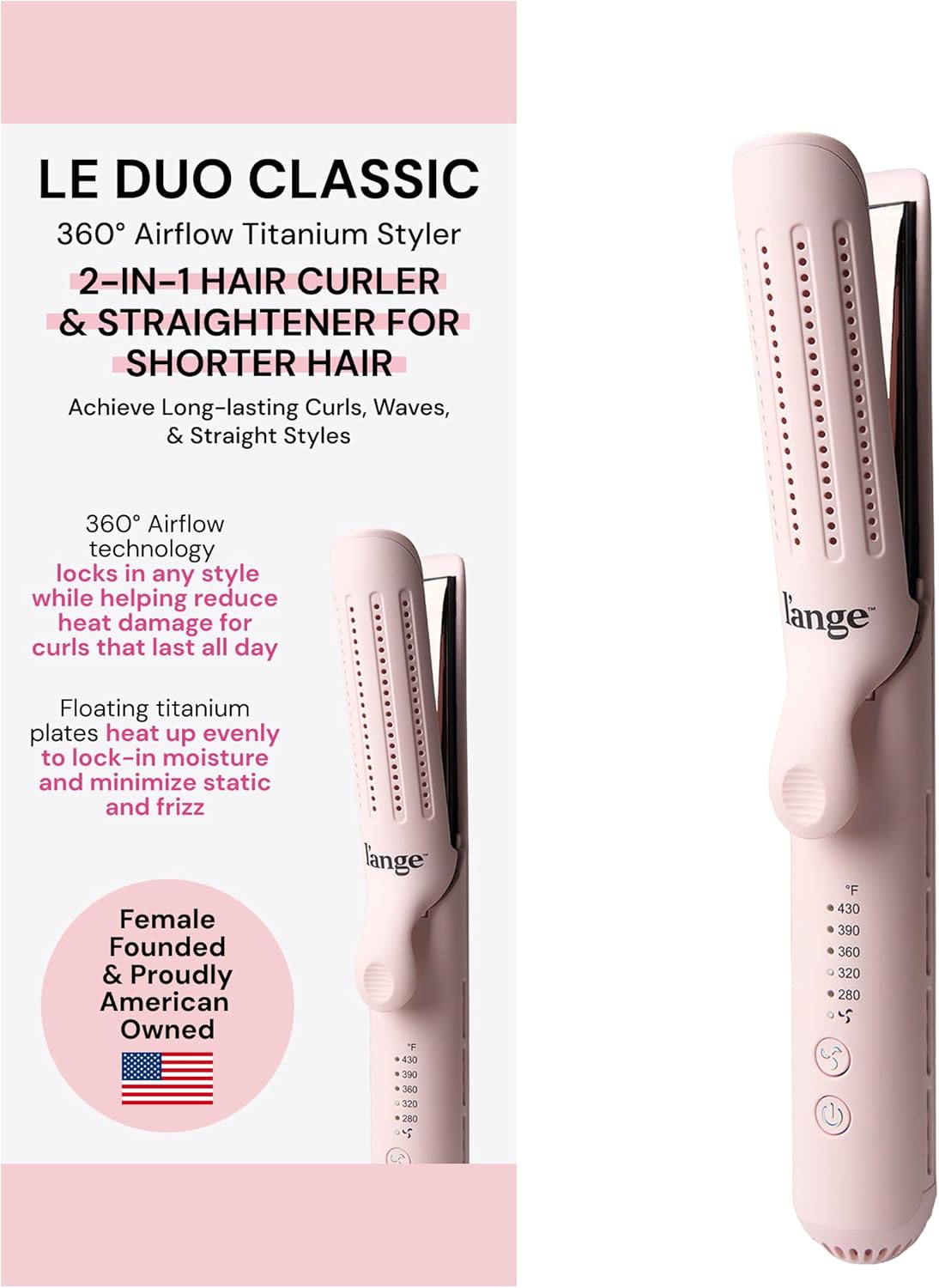
For those who love styling with hot tools, this is great news. You no longer have to choose between beautiful curls or sleek straight hair and healthy strands. With the right bond-building regimen and quality tools—such as the L'ANGE HAIR Le Duo Grande 360° Airflow 2 in 1 Straightener and Curler (Black), which combines straightening and curling with minimal heat damage—you can enjoy versatile styling while keeping your hair’s internal structure strong.
Final Thoughts: Is a Bond-Building Treatment Right for You?
If you color your hair, use heat tools regularly, or simply notice that your hair feels weaker than it used to, a bond-building hair treatment is worth considering. It’s one of the most effective ways to repair damage from the inside out, and the results—stronger, shinier, more resilient hair—are hard to beat. As with any treatment, consistency is key. Start with a professional consultation or choose a reputable at-home formula, and stick with it for several weeks to see real improvement. Your hair will thank you.
Ready to give your hair the structural support it deserves? Explore the collection of styling tools and accessories at L'ANGE to complement your bond-building routine. For a great starting point, check out the L'ANGE Hair Le Curl 25 MM Titanium Curling Wand—designed to create beautiful curls while minimizing heat stress on your repaired bonds.