Straightening Brush vs. Flat Iron: Which Tool Is Gentler for Daily Use?
By L'ANGE | Published: 2026-05-31
Category: Product Reviews
Compare straightening brushes and flat irons for daily use. Learn which tool causes less heat damage and how to style safely with L'ANGE HAIR flat irons and brushes.
For anyone who craves sleek, smooth hair on a daily basis, the battle between a straightening brush and a flat iron is real. Both tools promise to banish frizz and deliver salon-worthy straightness, but they differ significantly in how they apply heat, how they interact with your hair, and how much damage they can cause over time. If you style your hair every day, choosing the gentler option isn't just a matter of preference—it's a crucial step in preserving your hair's health. In this comprehensive guide, we'll break down the science behind each tool, compare their heat distribution, and help you decide which one deserves a spot in your daily routine.
How Do Straightening Brushes and Flat Irons Work?
Before we dive into the gentleness debate, it's essential to understand the basic mechanics of each tool. A flat iron, also known as a hair straightener, uses two heated plates that clamp down on a section of hair. The heat transfers directly from the plates to the hair shaft, breaking hydrogen bonds and reshaping the hair's structure. Most flat irons operate at temperatures ranging from 300°F to 450°F, and the user must glide the tool slowly from root to tip for best results.
A straightening brush, on the other hand, combines the functions of a paddle brush and a flat iron. It features heated bristles or a heated plate embedded within a brush head. As you brush through your hair, the heat is distributed more evenly and gently, often at lower temperatures (typically 250°F to 400°F). The brushing motion helps to detangle and smooth the hair simultaneously, reducing the need for multiple passes.
Heat Exposure: The Key Difference
The primary factor that determines gentleness is heat exposure. Flat irons concentrate intense heat on a small section of hair at a time. Because the plates are in direct contact with the hair, the surface temperature can be very high. Even if you use a heat protectant, repeated passes with a flat iron can strip moisture from the hair cuticle, leading to dryness, breakage, and split ends over time.
Straightening brushes, by design, spread heat over a larger area. The bristles or heated zones heat the hair as you brush, but the contact time per strand is much shorter. Many models also incorporate ionic technology, which helps to seal the cuticle and reduce frizz without requiring extreme temperatures. For daily use, this lower heat intensity makes straightening brushes a safer bet for maintaining hair integrity.
Temperature Control and Customization
Another important consideration is temperature control. Many high-quality flat irons offer adjustable heat settings, allowing you to choose a lower temperature for fine or damaged hair. However, users often crank up the heat to achieve faster results, which can be detrimental. Straightening brushes typically have fewer temperature settings, but they operate at lower maximum temperatures, which naturally limits the risk of overheating.
Which Tool Causes More Mechanical Stress?
Heat isn't the only stressor. Mechanical stress—the pulling, tugging, and clamping action—also plays a role. Flat irons require you to clamp down on hair and pull the tool through each section. If you have curly or textured hair, you may need to go over the same section multiple times, which can cause tension and breakage, especially at the ends.
Straightening brushes are generally gentler in this regard. The brushing motion mimics natural detangling, and you can control the pressure easily. For those with fine or fragile hair, a straightening brush is less likely to cause snapping or pulling. However, it's worth noting that not all straightening brushes are created equal—some have stiff bristles that can snag. Look for brushes with flexible, rounded bristles for the smoothest experience.
Heat Protection: A Non-Negotiable Step
Regardless of which tool you choose, using a quality heat protectant is vital for daily styling. Heat protectants create a barrier between your hair and the heat source, helping to minimize moisture loss and prevent protein damage. Sprays, serums, and creams all work, but the key is to apply them evenly and allow them to dry before using any hot tool.
For those who prefer a flat iron, a lightweight heat protectant spray is ideal. If you're using a straightening brush, a cream or lotion can help provide slip and reduce friction as the bristles glide through your hair. In both cases, look for products that contain silicones or polymers, which are effective at distributing heat evenly.
L'ANGE HAIR Tools: Designed with Hair Health in Mind
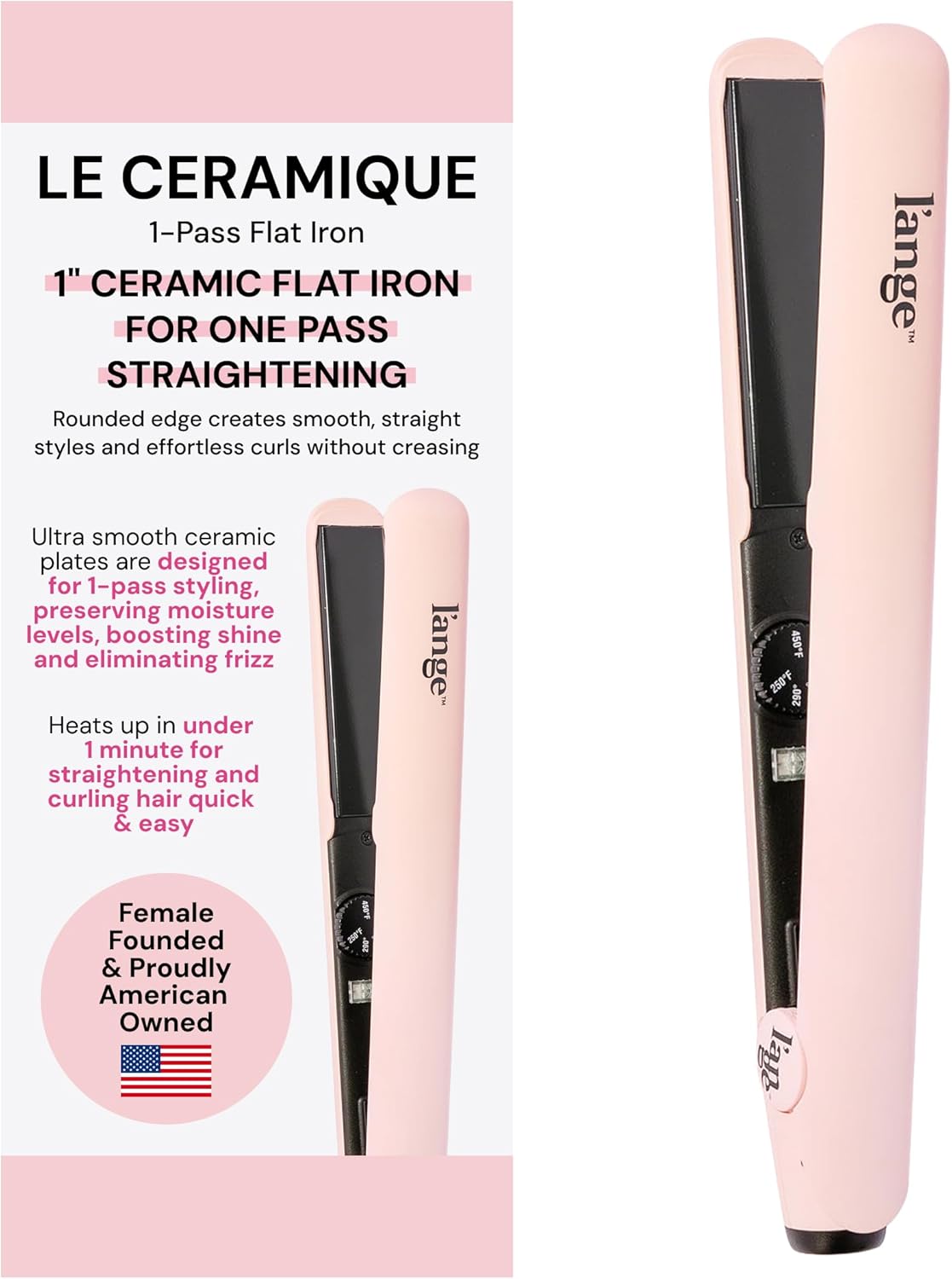
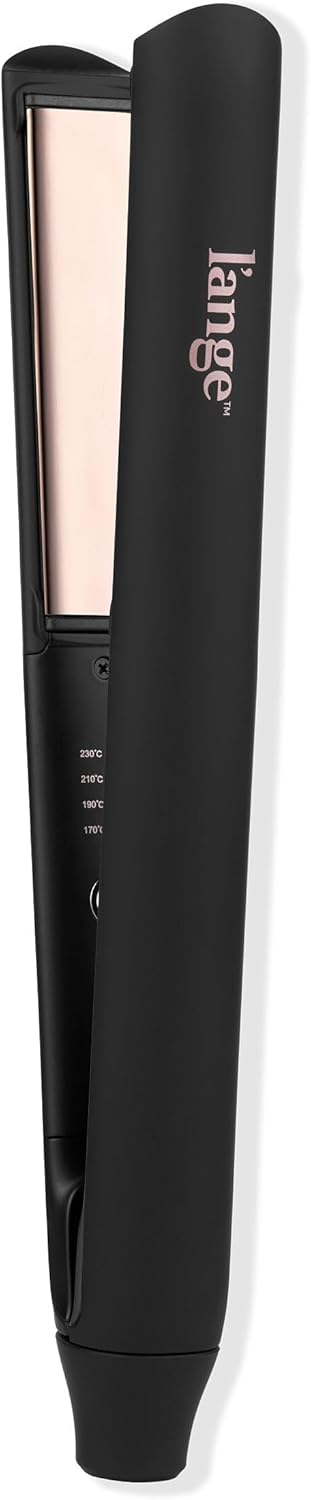
At L'ANGE HAIR, the focus is on creating tools that deliver professional results while minimizing damage. For those committed to daily straightening, the L'ANGE HAIR Le Duo Standard 360° Airflow 2 in 1 Straightener and Curler (Black) is an excellent flat iron option. This innovative tool features 360° airflow technology that helps to cool the hair as it styles, reducing heat buildup and protecting the hair shaft. The floating plates adjust to your hair's thickness, ensuring even contact without excessive pressure. It's a smart choice for anyone who wants the precision of a flat iron with added safety features.
On the brush side, the L'ANGE HAIR VolumeBoost 60mm 2-in-1 Ceramic Volumizing Brush Dryer (Blush) offers a gentle alternative for daily styling. This brush dryer combines the drying power of a blow dryer with the smoothing action of a brush. The ceramic coating ensures even heat distribution, and the 60mm barrel is perfect for adding volume while straightening. Because it uses airflow in addition to heat, the hair is exposed to lower temperatures, making it one of the gentlest options for daily use.
Comparing Daily Use: Which Tool Wins?
Let's break down the pros and cons for daily styling in a simple comparison table:
| Factor | Straightening Brush | Flat Iron |
|---|---|---|
| Heat intensity | Lower (250°F–400°F typical) | Higher (300°F–450°F typical) |
| Contact time per strand | Short (as you brush) | Longer (clamp and glide) |
| Mechanical stress | Low (brushing motion) | Moderate (clamping and pulling) |
| Best for hair types | Fine, straight, or wavy hair | Thick, coarse, or curly hair |
| Versatility | Limited (mainly straightening) | High (straighten, curl, flip) |
| Risk of damage with daily use | Low to moderate | Moderate to high |
As the table shows, a straightening brush generally poses a lower risk of heat damage and mechanical stress, making it the gentler option for daily use—especially if you have fine, straight, or wavy hair. However, a flat iron offers greater versatility and is better suited for achieving ultra-sleek results on thick or curly hair. The key is to match the tool to your hair type and styling needs.
Tips for Minimizing Damage with Either Tool
No matter which tool you choose, you can take steps to protect your hair:
- Always use a heat protectant. This is non-negotiable. Apply it to damp or dry hair before styling.
- Lower the temperature. Start at the lowest effective setting for your hair type. Fine hair needs 300°F–350°F, while thick hair can handle 350°F–400°F.
- Limit passes. Try to straighten each section in one or two passes. More passes mean more heat exposure.
- Don't style wet hair. Always dry your hair completely before using a flat iron or straightening brush. Wet hair is more vulnerable to heat damage.
- Use a detangling brush beforehand. Remove knots and tangles with a gentle brush like the L'ANGE HAIR Detangling Paddle Brush (Black) to reduce pulling during styling.
- Incorporate deep conditioning treatments. Use a hydrating mask once a week to restore moisture lost from heat styling.
Final Verdict: Which Tool Should You Choose for Daily Use?
If your primary goal is to minimize heat damage while still achieving smooth, straight hair on a daily basis, a straightening brush is the gentler choice. Its lower heat output and brushing action reduce the risk of moisture loss and breakage. For those with fine to medium hair, a brush dryer like the L'ANGE HAIR VolumeBoost 60mm 2-in-1 Ceramic Volumizing Brush Dryer (Blush) is an excellent daily companion.
However, if you have thick, coarse, or very curly hair that requires more intense heat to straighten effectively, a flat iron may still be necessary. In that case, choose a model with advanced safety features, such as the L'ANGE HAIR Le Duo Standard 360° Airflow 2 in 1 Straightener and Curler (Black), and always use a low to moderate heat setting with a good heat protectant.
Ultimately, the gentlest tool is the one that suits your hair type, your styling habits, and your commitment to protective practices. By understanding the differences between straightening brushes and flat irons, you can make an informed decision that keeps your hair healthy, shiny, and beautifully straight—every single day.
Ready to upgrade your daily styling routine with a tool that prioritizes hair health? Explore the L'ANGE HAIR Le Duo Standard 360° Airflow 2 in 1 Straightener and Curler (Black) today and experience the perfect balance of precision and gentle care.