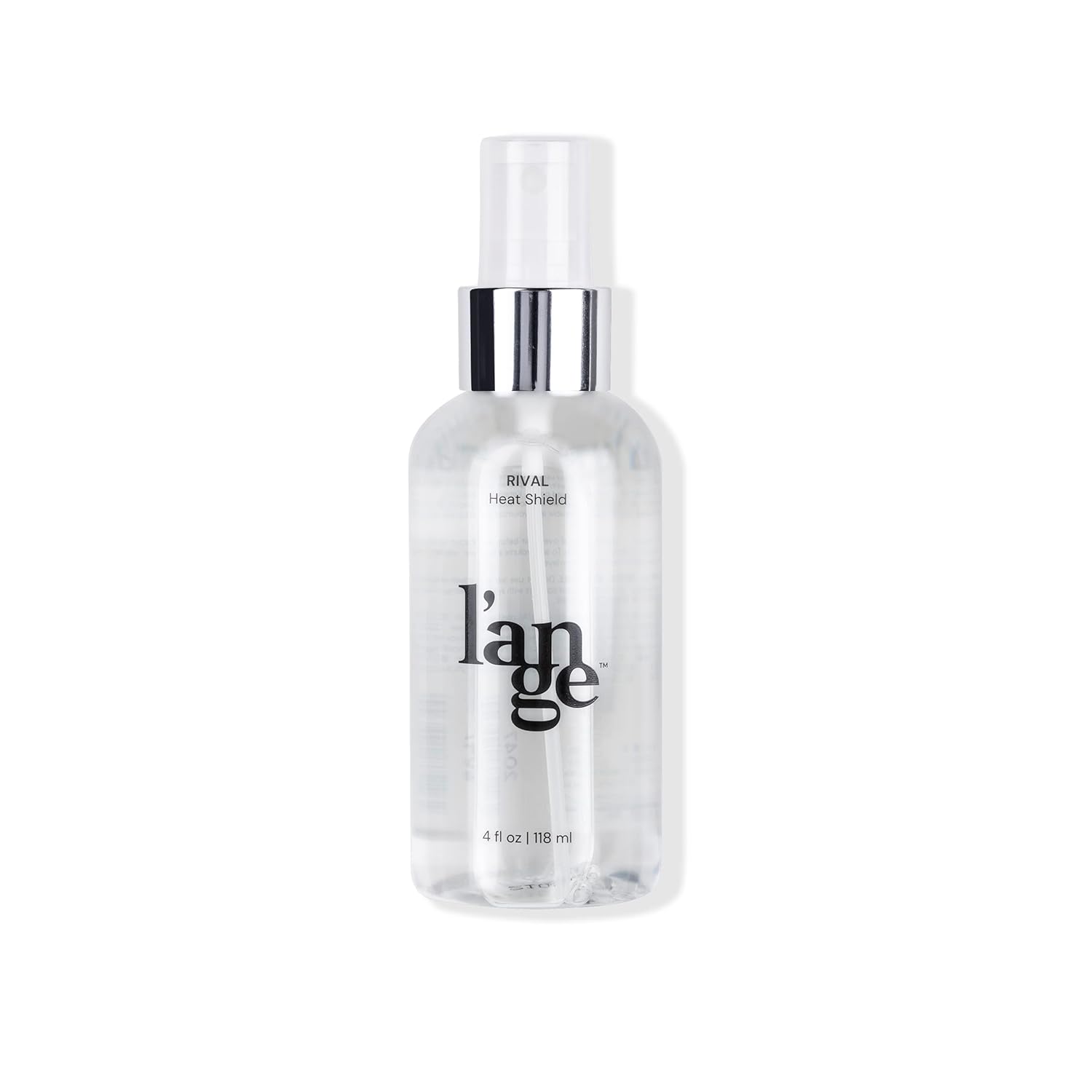
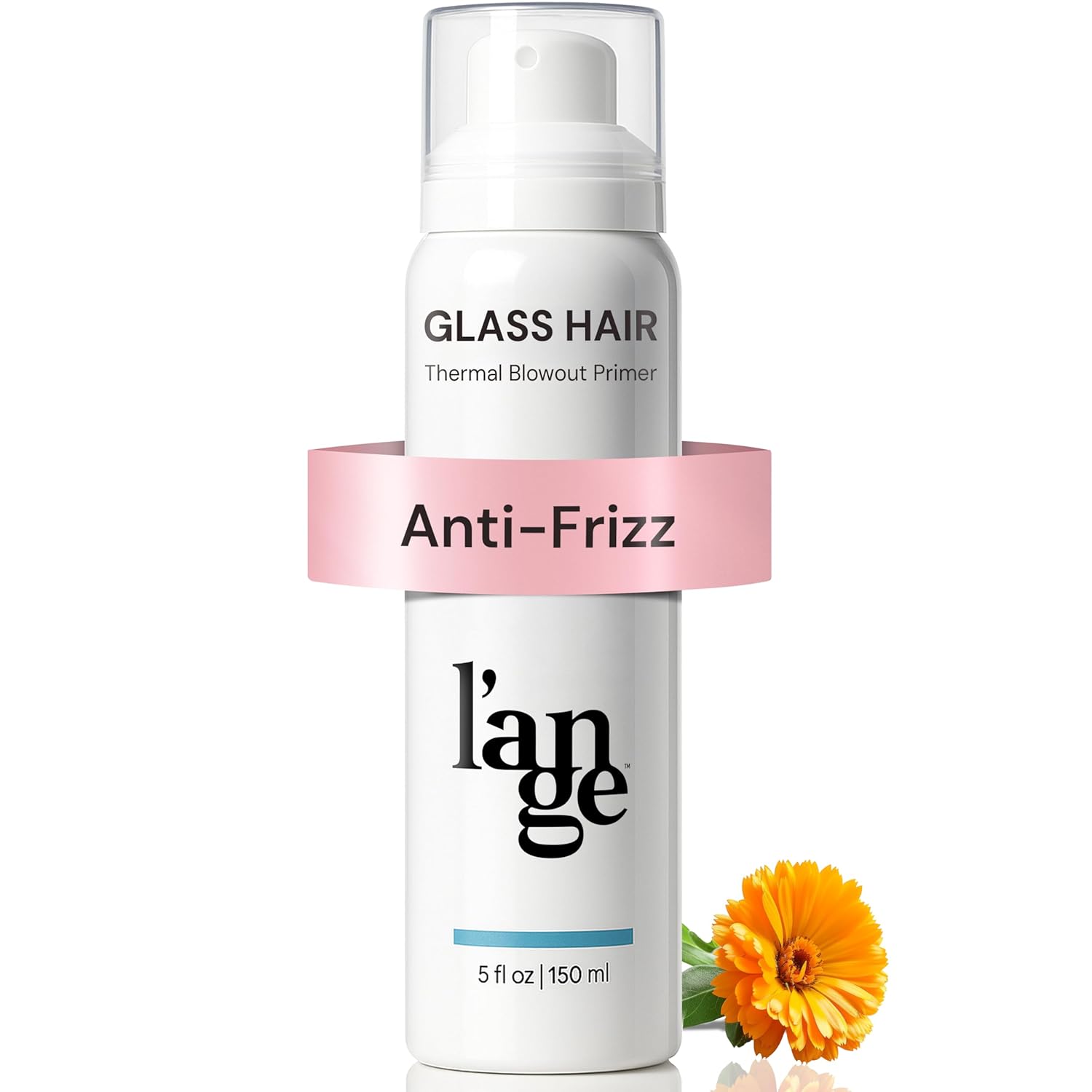
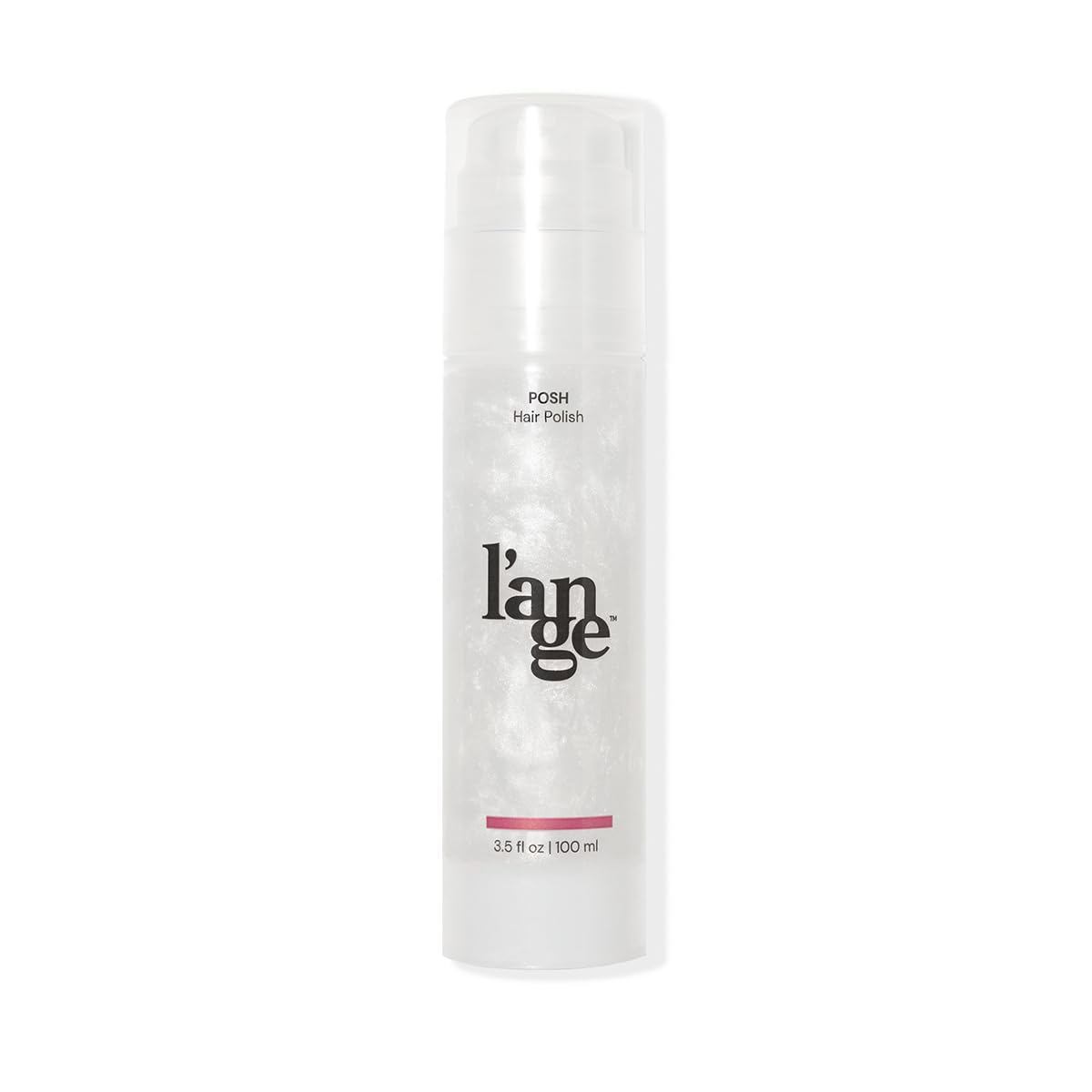
The Science of Heat Protection: How Thermal Sprays, Serums, and Creams Shield Hair from Damage
By L'ANGE | Published: 2026-06-13
Category: Industry News
Discover the science behind heat protectants—how thermal sprays, serums, and creams work to prevent hair damage, and which ingredients to look for in 2025.
Heat styling has revolutionized the way we achieve salon-worthy blowouts, bouncy curls, and sleek straight looks at home. Yet, every time you reach for your flat iron, curling wand, or hair dryer, you expose your hair to temperatures that can exceed 400°F. Without proper protection, this heat can strip moisture, degrade the hair's protein structure, and lead to brittleness, split ends, and frizz. That's where heat protectants come in. But how exactly do thermal sprays, serums, and creams shield your strands from damage? In this article, we dive deep into the science of heat protection, exploring the key ingredients, mechanisms, and best practices to keep your hair healthy and resilient.
What Is a Heat Protectant and Why Do You Need It?
A heat protectant is a leave-in product—typically a spray, serum, or cream—that forms a protective barrier on the hair shaft. This barrier reduces the direct impact of heat, distributes temperature more evenly, and minimizes moisture loss. Without it, the intense heat from styling tools can boil the water inside the hair cortex, causing it to expand and create bubbles (a phenomenon known as “bubble hair”), which weakens the strand from within.
Using a heat protectant is not optional if you regularly style with hot tools. It's the first line of defense in hair damage prevention. The best heat protectants also deliver additional benefits like smoothing the cuticle, adding shine, and providing light hold. For example, pairing a high-quality protectant with a versatile tool like the L'ANGE HAIR Le Volume Elevé 65MM 2-in-1 Titanium Brush Dryer (Black) ensures that the hot air is evenly distributed while the product seals in moisture.
How Heat Protectants Work: The Key Mechanisms
Heat protectants function through several scientific principles. Understanding these can help you choose the right formula for your hair type and styling routine.
1. Thermal Barrier and Film-Forming Polymers
The most common mechanism involves synthetic polymers (such as PVP, VP/VA copolymer, or polyquaternium) that spread across the hair and form a thin, flexible film. This film acts as a sacrificial layer—it absorbs the heat first, delaying its transfer to the hair shaft. The polymers also create an even heat distribution so that no single spot overheats. When the product dries, it leaves a smooth coating that helps reduce friction between the tool and the hair, minimizing mechanical damage.
2. Moisture Retention and Humectants
Heat can quickly evaporate water from the hair, leaving it dry and brittle. Many heat protectants include humectants like glycerin, propylene glycol, or aloe vera, which attract and bind moisture to the strand. Glycerin, for instance, is a small molecule that penetrates the cortex and helps the hair retain water even during high-heat exposure. This is especially important for those with dry or chemically treated hair.
3. Silicones and Emollients for Shine and Smoothing
Silicones like dimethicone, cyclomethicone, and amodimethicone are common in heat protectants because they have a high thermal conductivity—they spread heat evenly and quickly evaporate without leaving residue. They also fill in gaps in the cuticle, providing a mirror-like shine and reducing static electricity. The downside is that some silicones can build up over time, so look for water-soluble versions or use a clarifying shampoo occasionally.
4. Protein and Bond-Builders for Reinforcement
Advanced heat protectants now incorporate hydrolyzed proteins (like keratin, wheat protein, or silk protein) and bond-building ingredients. These molecules penetrate the hair shaft and reinforce the disulfide bonds that give hair its strength. When you apply heat, the protein layer helps maintain structural integrity, reducing the risk of breakage. The growing popularity of bond-building treatments, as discussed in recent industry articles, complements heat protection perfectly.
Best Heat Protectant Ingredients to Look For in 2025
Not all heat protectants are created equal. Here are the top ingredients to look for when shopping for thermal protection:
| Ingredient | Function | Best For |
|---|---|---|
| PVP / VP/VA Copolymer | Forms a flexible heat-activated film | All hair types, especially fine to medium |
| Dimethicone | Even heat distribution and shine | Thick, coarse, or frizzy hair |
| Glycerin | Moisture retention | Dry, damaged, or color-treated hair |
| Hydrolyzed Keratin | Strengthens and repairs | Chemically processed or weak hair |
| Argan Oil / Camellia Oil | Antioxidant protection, adds softness | Heat-styled hair needing nourishment |
| Polyquaternium | Anti-static, film-forming | Humidity-prone hair |
When shopping for a new product, always check the label for these active components. A good rule of thumb is to look for a water-based formula with silicones or polymers listed in the top half of the ingredients. Avoid products with alcohol as the primary ingredient, as they can dry out the hair.
How to Apply Heat Protectant for Maximum Protection
Even the best product won't work if applied incorrectly. Follow these steps for optimal protection:
- Start with clean, damp hair. Heat protectant should be applied to clean, towel-dried hair for even distribution. If your hair is already dry, lightly mist it with water.
- Section your hair. Divide your hair into manageable sections (4-6 for short to medium hair, 8-10 for long hair).
- Spray or apply product evenly. Hold the spray bottle 6-8 inches away. For creams or serums, emulsify a dime-sized amount between your palms and glide through each section.
- Comb through. Use a wide-tooth comb to ensure the product coats every strand from root to tip.
- Wait 30 seconds. Allow the product to dry slightly before applying heat. This prevents the tool from steaming the product off.
- Use the right tool temperature. Fine hair should be styled at 300-350°F, medium hair at 350-375°F, and thick hair at 375-400°F. Higher temperatures are rarely necessary.
For a flawless finish, pair your protectant with a high-performance tool like the L'ANGE HAIR Ondulé 25 MM Ceramic Curling Wand. Its ceramic barrel heats evenly and reduces hot spots, working in synergy with your thermal spray to create long-lasting waves without excessive damage.
Common Myths About Heat Protection
There's plenty of misinformation about heat protectants. Let's debunk a few myths:
- Myth: Heat protectants make hair greasy. Modern formulations are lightweight and evaporate quickly. Sprays are ideal for fine hair, while serums work well for coarse hair.
- Myth: One application lasts all day. Reapply if you reheat sections. Heat protectant breaks down at high temperatures.
- Myth: Coconut oil is a natural heat protectant. While coconut oil penetrates the hair, it has a low smoke point (350°F) and can actually cause heat damage if used alone. Always use a dedicated protectant.
- Myth: You don't need a protectant with an ionic hair dryer. Ionic technology reduces frizz but doesn't prevent thermal damage. Always layer a protectant.
Choosing the Right Heat Protectant for Your Hair Type
Selecting the right formula is crucial for effective protection. Here's a quick guide:
- Fine or thin hair: Lightweight sprays or mists. Look for polymers and humectants that won't weigh hair down.
- Thick or coarse hair: Creams or serums with silicones and oils for extra slip and smoothing.
- Color-treated hair: Products with UV filters and antioxidants (like vitamin E) to prevent color fading.
- Dry or damaged hair: Formulas with hydrolyzed keratin, ceramides, or bond-building ingredients for repair.
- Curly hair: Lightweight sprays that define curls without disrupting the pattern. Avoid heavy silicones if you have low-porosity curls.
If you're unsure where to start, consider a well-rounded routine that includes both a thermal protectant and a gentle cleansing system. For example, using products like L’ange Hair Détox Deep-Cleansing Charcoal Shampoo once a week can remove buildup from styling products without stripping natural oils, keeping your hair balanced and ready for heat styling.
Conclusion: Protect First, Style Second
The science of heat protection is clear: a quality thermal spray, serum, or cream is non-negotiable for anyone who uses hot tools. By forming a film, retaining moisture, and distributing heat evenly, these products preserve your hair's integrity while allowing you to achieve your desired style. Always check the ingredient list, apply correctly, and choose tools that complement your routine. With the right approach, you can enjoy gorgeous, healthy hair every day.
Ready to upgrade your heat styling routine? Explore the L'ANGE HAIR collection to find the perfect tools and products for your hair type. Discover the L'ANGE HAIR Le Volume Elevé 65MM 2-in-1 Titanium Brush Dryer (Black) and see how advanced technology combined with proper heat protection can transform your blowout experience.