How to Repair Dry and Damaged Hair with Bond-Building Treatments and Masques
By L'ANGE | Published: 2026-05-22
Category: How-to Guides
Restore your hair's health with bond-building treatments and nourishing masks. Step-by-step guide to repair dry, damaged hair using protein and moisture.
Dry, damaged hair can feel like a never-ending battle. Whether it's from heat styling, chemical treatments, or environmental stress, your strands can lose their natural strength and shine. The good news? With the right bond-building treatments and deeply hydrating hair masques for damaged hair, you can restore your hair's health from the inside out. This guide will walk you through the science of repair, top product picks, and a step-by-step routine to bring your hair back to life.
Understanding What Causes Dry and Damaged Hair
Hair damage occurs when the cuticle — the outer protective layer — becomes lifted or broken, and the cortex underneath loses moisture and protein. Common culprits include:
- Excessive heat styling (flat irons, curling wands, blow dryers)
- Chemical treatments (color, bleach, relaxers)
- Over-washing or using harsh shampoos
- Sun exposure and hard water
- Mechanical stress (brushing, tight hairstyles)
When the protein bonds inside the hair shaft break, your hair becomes weak, brittle, and prone to split ends. That's where bond building treatment comes in — these targeted formulas work to rebuild the internal structure of your hair, restoring strength and elasticity.
What Are Bond-Building Treatments?
Bond builders are protein-based treatments that penetrate the hair cortex to repair broken disulfide bonds. Unlike traditional conditioners that only coat the surface, bond builders actively reconnect broken bonds, making your hair stronger, smoother, and more resilient.
Key ingredients to look for in a bond builder include:
- Hydrolyzed proteins (keratin, wheat, soy) — fill gaps in the cuticle
- Bond repair complexes (often with maleic acid or polyquaternium) — re-link broken bonds
- Amino acids — building blocks for protein repair
- Ceramides — help seal the cuticle for lasting moisture
For the best results, use a bond building treatment weekly or as needed, depending on the level of damage.
Why Protein Treatments Are Essential for Damaged Hair
Protein treatments for hair are a cornerstone of repair. When you apply protein, it temporarily fills in the gaps in the hair cuticle, reducing porosity and making strands appear smoother and stronger. However, balance is key — too much protein without enough moisture can lead to brittleness. That's why it's important to alternate between bond-building treatments and hydrating hair masques for damaged hair.
A great way to incorporate protein is through a weekly intensive mask. Look for masks that list hydrolyzed keratin or silk amino acids as top ingredients.
Top Ingredients in Hair Masques for Damaged Hair
When shopping for a hair masque for damaged hair, prioritize deeply nourishing ingredients that restore both moisture and protein. Here's what to look for:
| Ingredient | Benefit |
|---|---|
| Shea Butter | Deep moisture and fatty acid replenishment |
| Argan Oil | Rich in vitamin E, seals cuticle |
| Hydrolyzed Keratin | Repairs internal protein bonds |
| Aloe Vera | Soothing hydration without weight |
| Coconut Oil | Penetrates the shaft to reduce protein loss |
| Panthenol (Pro-Vitamin B5) | Adds moisture and elasticity |
Combining a weekly protein mask with a moisturizing mask is the best way to restore hair health.
Step-by-Step Routine to Repair Dry and Damaged Hair
Step 1: Start with a Gentle, Sulfate-Free Shampoo
Harsh sulfates strip natural oils and worsen dryness. Switch to a sulfate-free shampoo that cleanses without over-drying. Focus on the scalp, and let the suds run through your ends.
Step 2: Apply a Bond-Building Treatment
After shampooing, towel-dry your hair and apply a bond building treatment from mid-lengths to ends. Leave it on for the recommended time (usually 5–10 minutes) to allow the proteins to penetrate. Rinse thoroughly with cool water to seal the cuticle.
Step 3: Use a Deep Hydrating Hair Masque
Follow up with a rich hair masque for damaged hair. Apply generously, comb through with a wide-tooth comb, and leave it on for 10–15 minutes. For extra penetration, cover your hair with a shower cap or warm towel. Rinse with cool water for maximum shine.
Step 4: Apply a Leave-In Conditioner or Heat Protectant
Even when air-drying, a lightweight leave-in conditioner helps lock in moisture. If you plan to heat style, always use a thermal protectant spray beforehand.
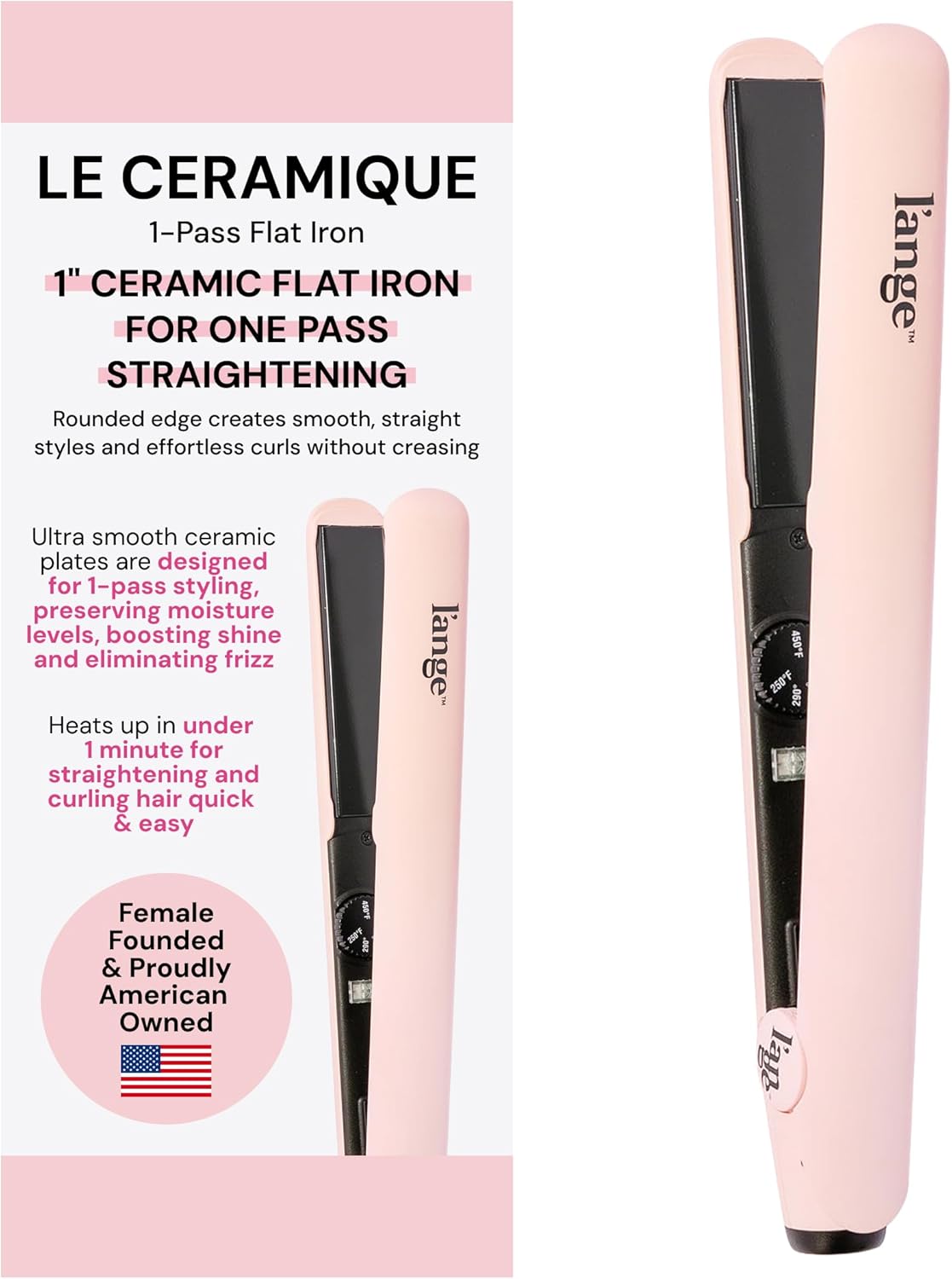
Step 5: Air-Dry or Use Heat Tools on Low Settings
When you do use heat, lower the temperature and never skip a protectant. For gentle drying, consider a tool like the L’ANGE HAIR Axia HaloRing Ionic Hair Dryer (Rose Gold), which uses ionic technology to reduce frizz and speed up drying time at lower temperatures.
How Often Should You Use Bond-Building and Masque Treatments?
For moderately damaged hair, a bond builder once a week and a hydrating masque twice a week is ideal. For severely damaged or over-processed hair, you can increase to two bond-building sessions per week for the first month, then scale down to maintenance. Listen to your hair — if it starts to feel stiff or straw-like, you may be overdoing protein. In that case, focus on hydrating masks for a week or two.
Professional vs. At-Home Bond-Building Treatments
In-salon bond-building treatments (like Olaplex or K18) are powerful but expensive. At-home versions are more affordable and convenient, and many offer excellent results with consistent use. The key is to look for products with proven bond-repair technology and to follow the instructions carefully. Always patch-test new treatments to avoid irritation or protein overload.
Lifestyle Tips to Prevent Further Damage
- Limit heat styling to 2–3 times per week
- Sleep on a silk or satin pillowcase to reduce friction
- Use a microfiber towel to gently blot hair — never rub
- Protect hair from UV rays with a hat or UV spray
- Trim split ends every 6–8 weeks
- Eat a balanced diet rich in protein, biotin, and omega-3s
Small changes in your daily routine can make a big difference in how quickly your hair recovers.
Common Mistakes to Avoid When Repairing Damaged Hair
- Over-washing: Washing daily strips natural oils. Aim for 2–3 times per week.
- Skipping conditioner: Even if you use a mask, always follow with a lightweight conditioner.
- Using hot water: Hot water lifts the cuticle. Rinse with lukewarm or cool water.
- Brushing wet hair aggressively: Wet hair is fragile. Use a wide-tooth comb or a gentle brush.
- Ignoring heat protection: This is non-negotiable if you use hot tools.
Product Spotlight: Tools That Minimize Damage
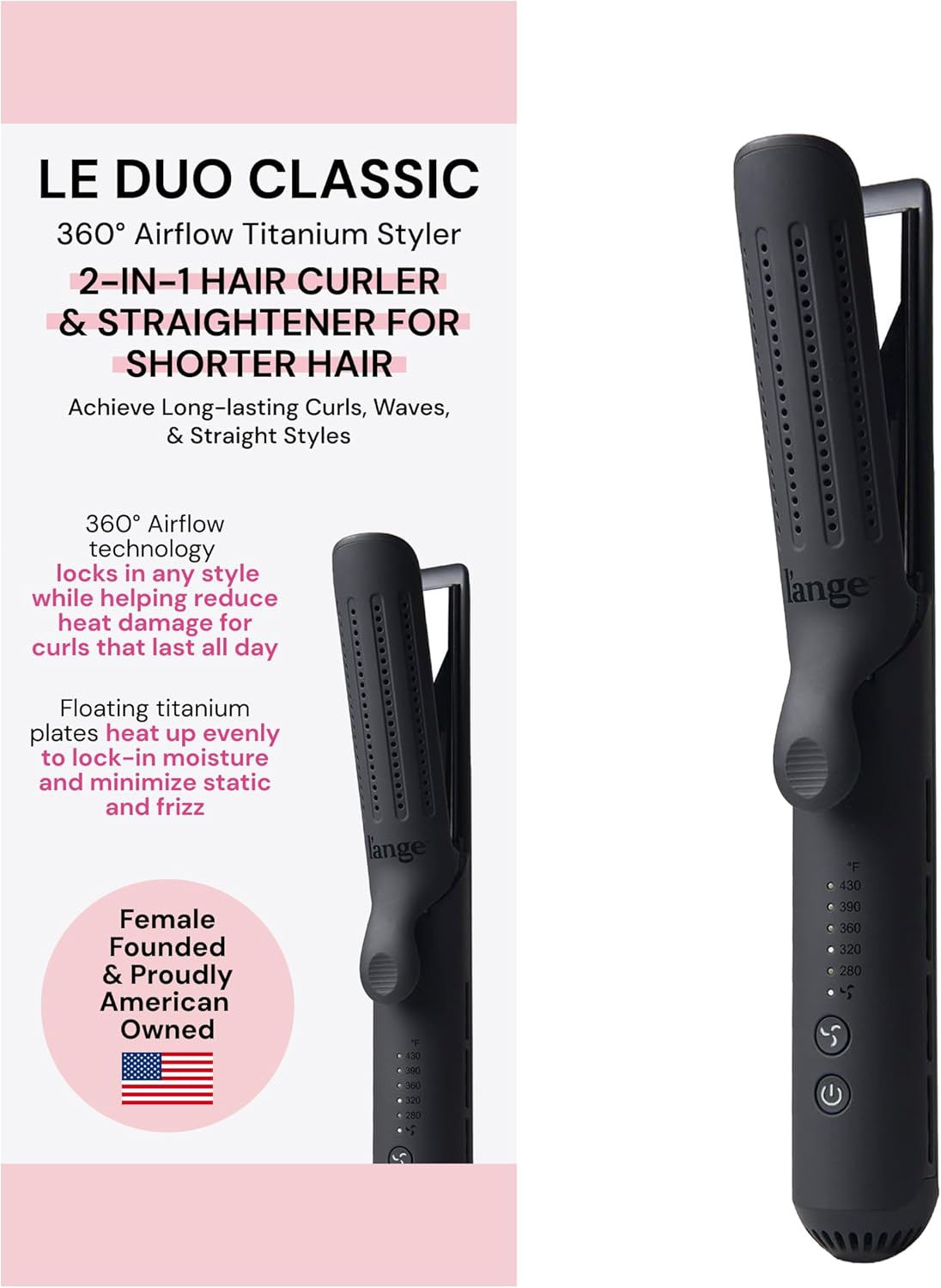
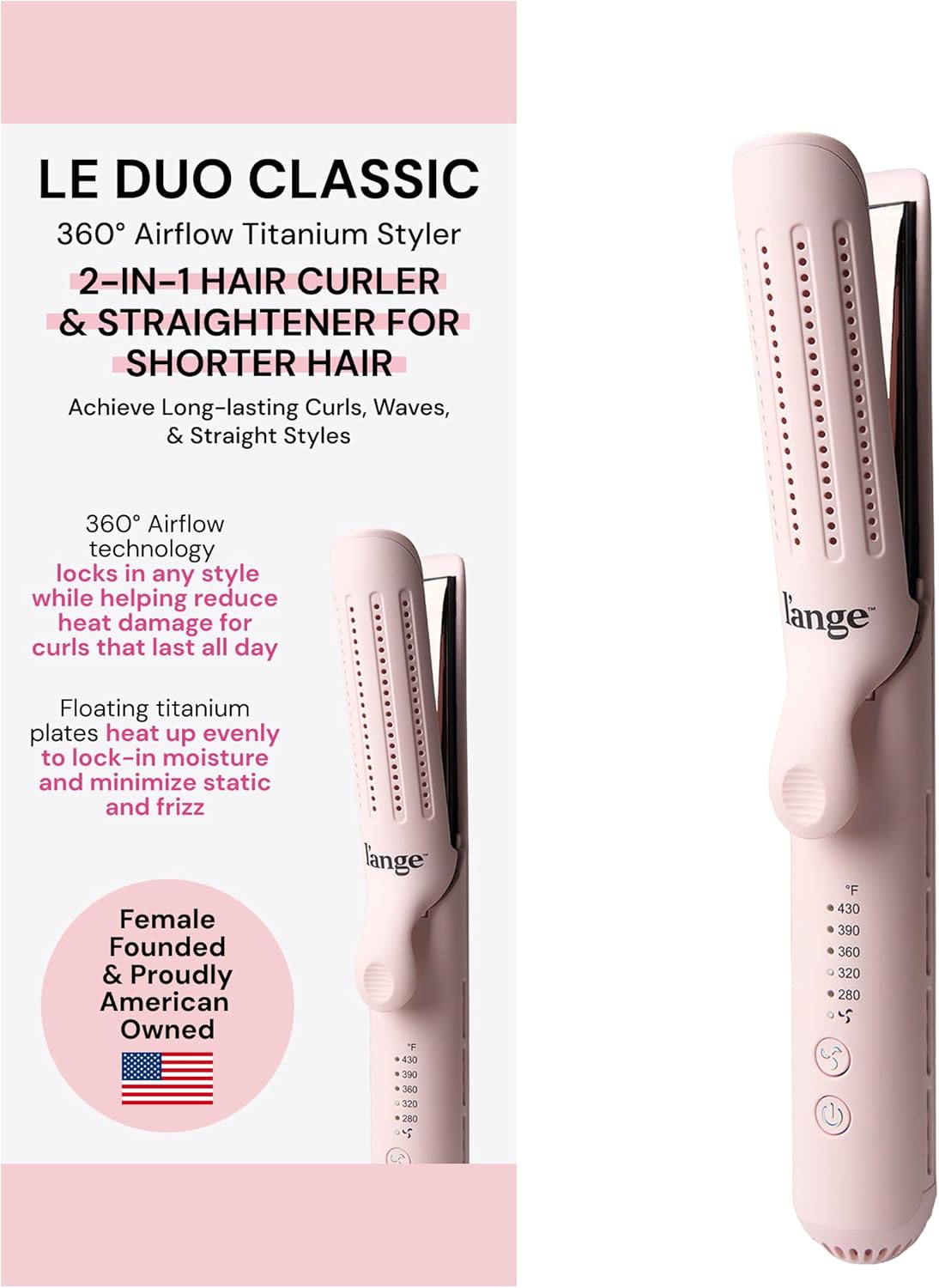
Pairing your repair routine with gentle styling tools can accelerate results. The L'ANGE HAIR Le Duo Standard 360° Airflow 2 in 1 Straightener and Curler (Blush) is a versatile tool that combines straightening and curling with airflow technology, allowing you to style at lower temperatures while still achieving salon-quality results. Another excellent option is the L'ANGE HAIR VolumePro Extra-Long Ceramic Ionic Round Brush, Black (43mm), which adds volume and smoothness without excessive heat exposure.
Final Thoughts: Consistency Is the Key to Restoration
Repairing dry and damaged hair doesn't happen overnight, but with a consistent routine of bond building treatment, nourishing hair masques for damaged hair, and smart styling habits, you can dramatically improve your hair's strength, shine, and elasticity. Remember to balance protein and moisture, listen to your hair's needs, and be patient. Your hair is resilient — it just needs the right care to bounce back.
Ready to start your repair journey? Explore the L’ANGE HAIR Axia HaloRing Ionic Hair Dryer (Rose Gold) for a gentle yet powerful drying experience that supports your healthy hair goals. Your best hair days are ahead!