Hydro Therapy vs. Traditional Hair Masks: Which Delivers Faster Repair for Damaged Hair?
By ONID TECH | Published: 2026-06-19
Category: Product Reviews
Compare hydro therapy hair treatments and traditional hair masks for instant hair repair. Discover which method offers faster, deeper repair for dry, damaged hair and why 7-second hair repair is a game-changer.
When your hair is dry, brittle, or damaged from heat styling, coloring, or environmental stress, finding a fast and effective repair solution becomes a top priority. Two popular approaches dominate the market: traditional hair masks and the newer hydro therapy hair treatment. But which one truly delivers faster, deeper repair? In this comprehensive hair mask comparison, we break down the science, application, and results of each method to help you choose the best option for damaged hair repair. Whether you are chasing instant hydration or long-term strength, understanding these treatments is key to restoring your hair's health.
What Is Hydro Therapy Hair Treatment?
Hydro therapy for hair is a water-based, often lightweight treatment that uses humectants like glycerin, hyaluronic acid, and aloe vera to infuse moisture directly into the hair shaft. Unlike heavy creams or butters, these treatments are designed to penetrate quickly, delivering hydration in seconds rather than minutes. Many modern hydro therapy formulas claim 7-second hair repair—a rapid infusion of moisture and nutrients that plumps the hair fiber, reduces frizz, and restores elasticity almost instantly.
This approach is especially beneficial for fine or low-porosity hair, which can be weighed down by traditional masks. Hydro therapy treatments are often used as a quick weekly boost or even as a leave-in conditioner for ongoing moisture. They are also ideal for those who style frequently, as they help maintain hydration without causing buildup.
Traditional Hair Masks: The Classic Approach
Traditional hair masks are thick, rich formulations packed with oils (like argan, coconut, or shea butter), proteins (keratin, collagen), and emollients. They work by coating the hair surface and penetrating the cortex over a longer period—typically 5 to 20 minutes—to rebuild strength and seal in moisture. These masks are excellent for medium to high-porosity hair, chemically treated hair, and severe dryness.
While traditional masks provide deep, lasting repair, they require more time and can sometimes feel heavy on fine hair. The key advantage is their ability to deliver concentrated nutrients and restore the hair's lipid barrier, which is crucial for long-term health.
Hydro Therapy vs. Traditional Masks: A Side-by-Side Comparison
To help you decide, here is a detailed breakdown of how these two treatments stack up across key factors:
| Factor | Hydro Therapy Hair Treatment | Traditional Hair Mask |
|---|---|---|
| Speed of Repair | Fast—often 30 seconds to 2 minutes; claims of 7-second hair repair are common | Moderate—requires 5–20 minutes of dwell time |
| Moisture Infusion | Water-based, lightweight, and deep-penetrating via humectants | Oil-based, coating, and seals the cuticle |
| Best for Hair Type | Fine, low-porosity, or oily hair; also great for daily use | Thick, coarse, high-porosity, or very dry/damaged hair |
| Protein Content | Usually low to none; focuses on hydration | Often includes keratin, collagen, or rice protein for structural repair |
| Residue/Buildup | Minimal; rinses out cleanly | Can leave residue if overused |
| Frequency of Use | 2–4 times per week | 1–2 times per week |
| Long-Term Benefits | Maintains elasticity and softness | Rebuilds strength and reduces breakage over time |
Which Delivers Faster Repair for Damaged Hair?
When it comes to speed, hydro therapy treatments clearly win. If your hair is feeling parched after a blow-dry or curling session, a hydro therapy hair treatment can provide instant relief in under a minute. That said, for deep structural damage—such as split ends, excessive breakage, or chemical over-processing—a traditional mask offers more comprehensive repair because it rebuilds the hair's protein bonds and lipid layers.
In practice, many experts recommend a hybrid approach: use a hydro therapy treatment for quick mid-week hydration and a traditional mask once or twice a month for intensive repair. This strategy ensures your hair gets both immediate moisture and long-term strength.
How to Use Each Treatment for Best Results
Using a Hydro Therapy Hair Treatment
- Start with clean, damp hair (towel-dried).
- Apply the treatment evenly from mid-lengths to ends.
- Leave it on for 30 seconds to 2 minutes (check the product instructions).
- Rinse thoroughly with cool water.
- Style as usual. You can also use it as a leave-in for extra hydration.
Using a Traditional Hair Mask
- Shampoo your hair and squeeze out excess water.
- Apply a generous amount of mask, focusing on the ends.
- Use a wide-tooth comb to distribute evenly.
- Cover with a shower cap and leave for 10–20 minutes (heat can enhance penetration).
- Rinse thoroughly, then follow with a cool water rinse to seal the cuticle.
Top Product Picks for Both Methods
To get the most out of your repair routine, choose products that align with your hair's needs. For hydro therapy, look for lightweight sprays or serums with hyaluronic acid or glycerin. For traditional masking, opt for rich creams with keratin or natural oils.
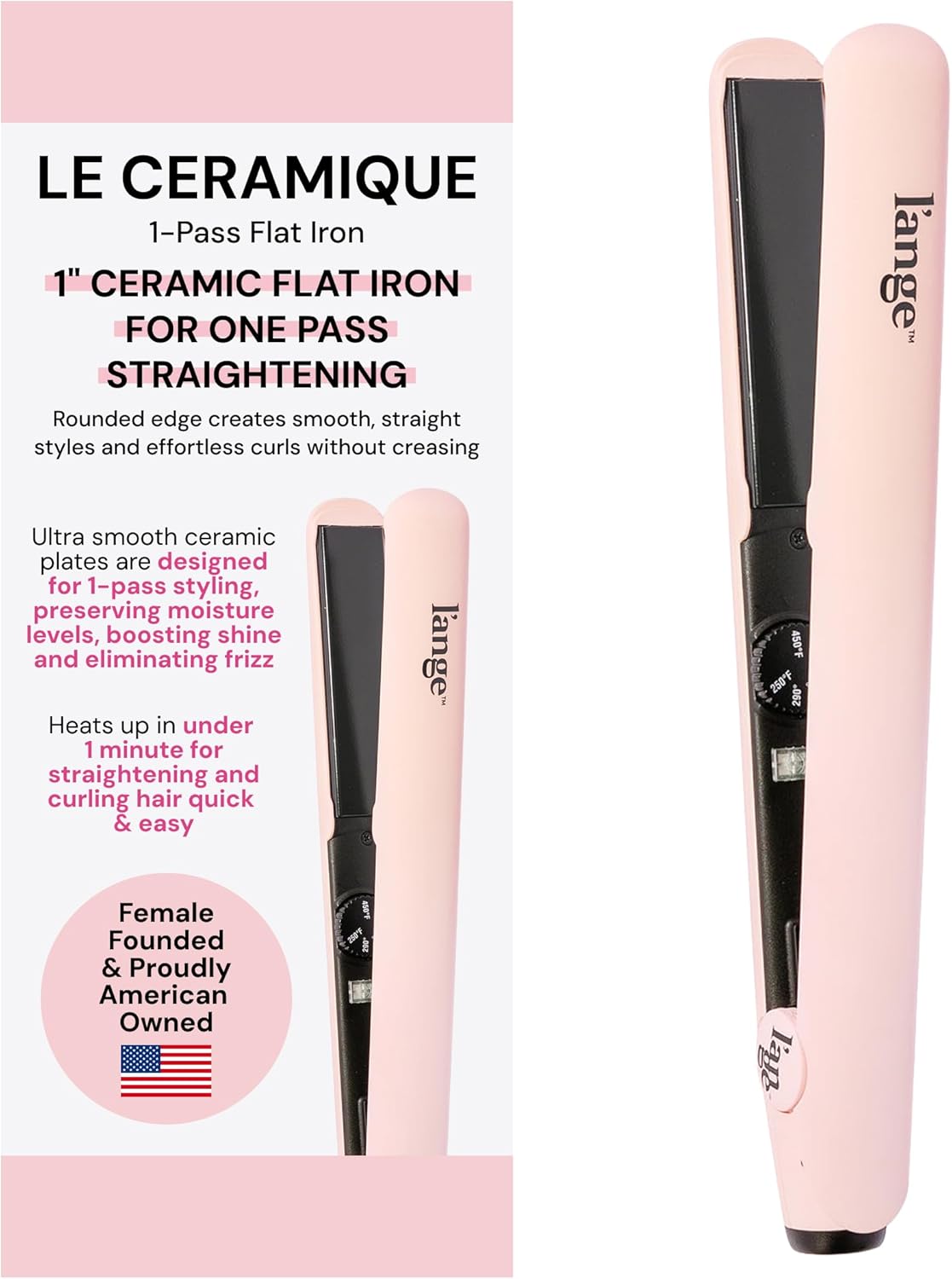
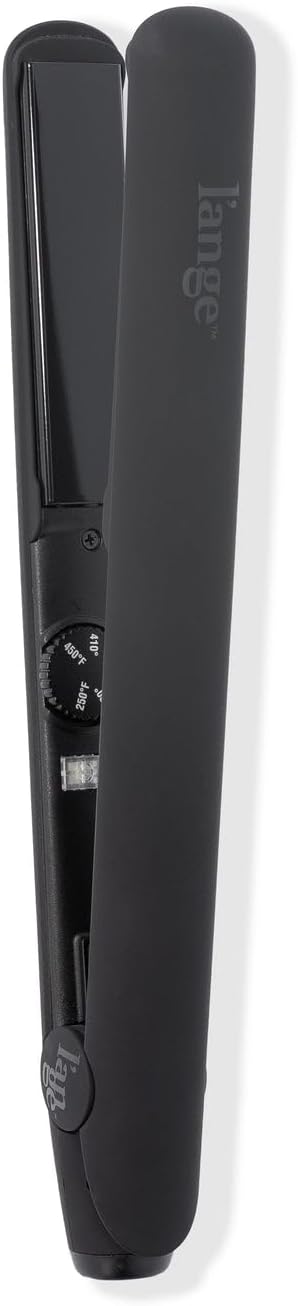
If you are looking for a tool that complements your repair routine, consider the L'ANGE HAIR Le Vite Curve Ceramic Straightening Brush (Black). This innovative brush uses ceramic heat to smooth the cuticle, locking in moisture from your treatment and reducing the need for repeated styling. It is a fantastic addition to any post-treatment styling routine.
For those who prefer a more versatile styling approach, the L'ANGE HAIR Le Duo Standard 360° Airflow 2 in 1 Straightener and Curler (Black) allows you to both straighten and curl with minimal heat exposure—perfect for preserving your newly repaired hair. Its 360° airflow technology reduces direct heat contact, making it a smart choice for damaged hair.
Common Mistakes to Avoid
- Overusing protein masks: Too much protein can cause brittleness. Balance with hydrating treatments.
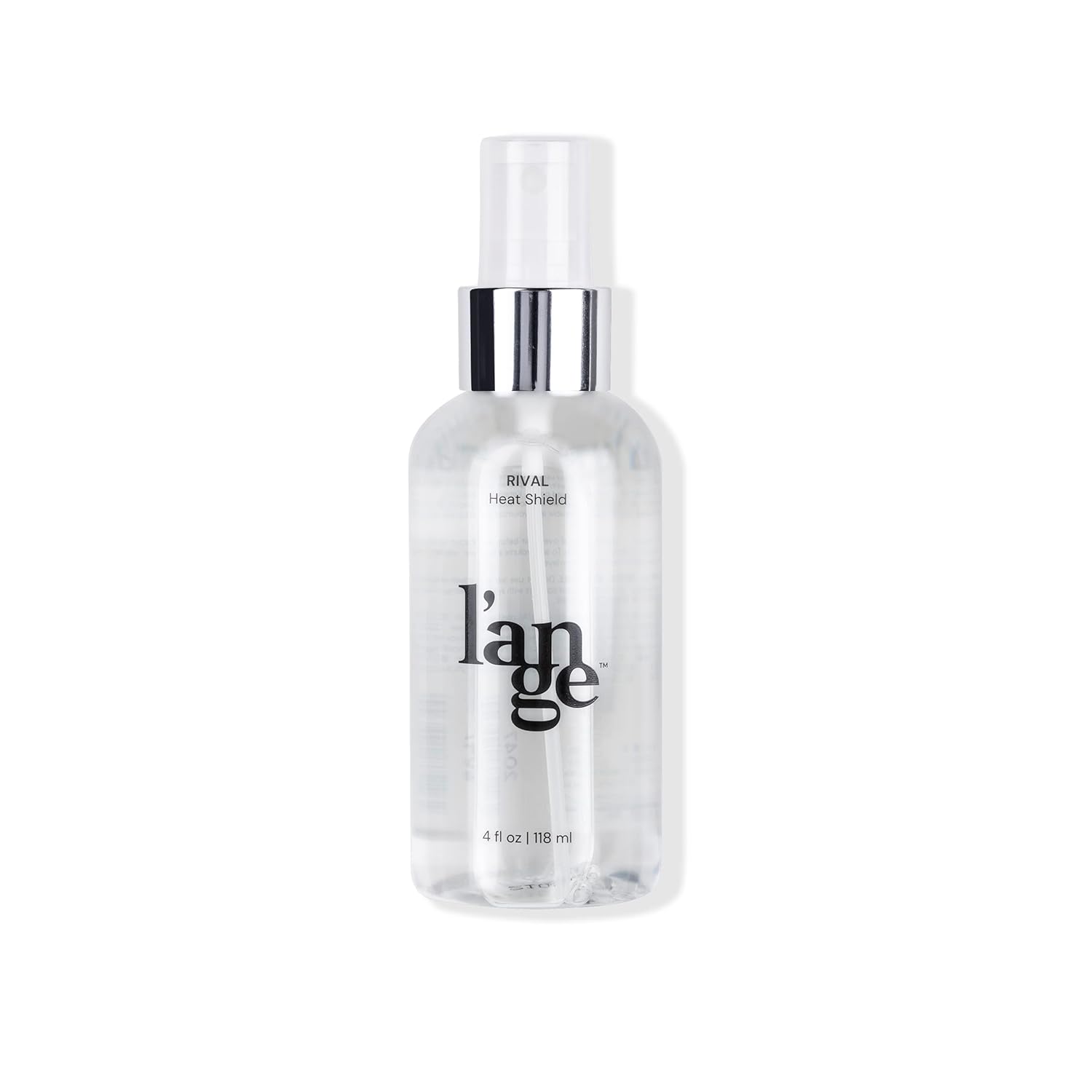
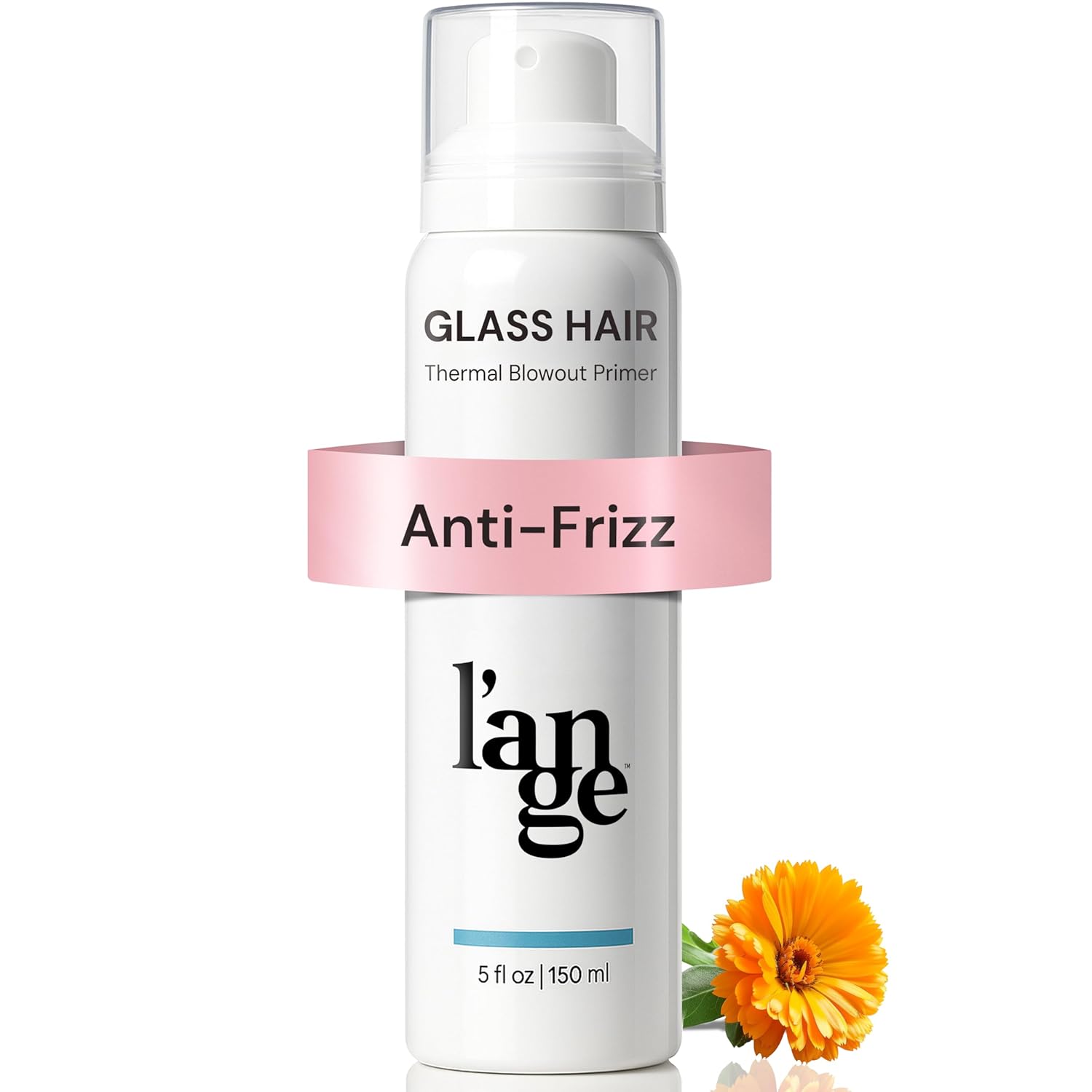
- Skipping heat protection: Always use a heat protectant before styling, even after a treatment. The L'ANGE HAIR Glass Hair Heat Protectant Spray is a lightweight option that won't weigh down your hair.
- Applying to wet hair incorrectly: Never apply masks to soaking wet hair—squeeze out excess water first so the product can absorb.
- Expecting instant miracles: While hydro therapy offers quick results, true repair takes consistency. Use treatments as part of a weekly regimen.
Final Verdict: Which One Should You Choose?
For immediate relief and daily moisture maintenance, hydro therapy hair treatment is your best bet. It is fast, lightweight, and perfect for busy lifestyles. For deep, structural repair and long-term strength, traditional hair masks remain the gold standard. The ideal approach is to incorporate both into your routine: a quick hydro therapy session mid-week and a traditional mask on weekends.
Your choice should also consider your hair type and styling habits. If you frequently use hot tools, prioritize treatments that include protein and moisturizers together. And always finish with a heat protectant to prevent further damage.
Ready to transform your damaged hair? Explore the L'ANGE HAIR Le Vite Curve Ceramic Straightening Brush to seal in your treatment results and achieve a sleek, healthy finish. Your hair will thank you.