How to Fix Heat-Damaged Hair: Repair, Restore, and Prevent Breakage
By L'ANGE | Published: 2026-06-07
Category: How-to Guides
Learn how to fix heat-damaged hair with expert tips on repair, restoration, and prevention. Discover bond-building treatments, heat protectants, and styling tools to restore your hair's health.
Heat styling tools like curling wands, flat irons, and hair dryers can transform your look in minutes—but frequent use often leaves hair dry, brittle, and prone to breakage. If you've noticed split ends, frizz, or a lack of shine, you're likely dealing with heat damage. The good news? With the right products and techniques, you can repair heat-damaged hair, restore its natural strength, and prevent future damage. This comprehensive guide walks you through everything you need to know, from understanding the science behind heat damage to building a recovery routine that works.
Understanding Heat Damage: What Happens to Your Hair?
Heat damage occurs when high temperatures strip the hair of its natural moisture and break down the protein bonds that give hair its strength and elasticity. The outer layer of each hair strand—the cuticle—raises and becomes porous, allowing moisture to escape and making hair vulnerable to further damage. Over time, repeated heat exposure without proper protection can lead to:
- Dryness and brittleness — Hair loses its natural oils, becoming rough and prone to snapping.
- Split ends and breakage — Weak spots develop along the hair shaft, leading to frayed ends.
- Loss of elasticity — Hair no longer stretches and returns to its original shape; it may snap when pulled gently.
- Dullness and frizz — The raised cuticle scatters light, making hair look lifeless and frizzy.
The key to fixing heat-damaged hair lies in replenishing moisture, repairing broken bonds, and shielding hair from future heat exposure.
Step 1: Assess the Damage
Before diving into treatment, determine the severity of your heat damage by performing a simple stretch test: Take a wet strand of hair and gently pull it. If it stretches and then returns to its original length, your hair is healthy. If it stretches and doesn't bounce back, the protein structure is compromised. If it snaps immediately, the damage is severe. This test helps you choose the right repair strategy—whether you need light hydration or intensive bond-building treatments.
Step 2: Incorporate Bond-Building Treatments
Bond-building products are specifically formulated to repair the disulfide bonds inside the hair shaft that are broken by heat. These treatments penetrate deep into the cortex, restructuring the hair from within. For best results, use a bond-building conditioner after every wash to continuously strengthen strands. The L'ANGE HAIR Ms. Bond Building + Strengthening Conditioner (8 fl oz Bottle) is an excellent choice: it helps rebuild broken bonds while gently cleansing, leaving hair softer and less prone to breakage. For an extra repair boost, layer with a bond-building mask once a week.
Step 3: Hydrate with a Deep Moisture Treatment
Heat damage depletes moisture, so rehydration is critical. Look for products containing humectants like glycerin, aloe vera, and hyaluronic acid, which draw water into the hair shaft. The L'ANGE HAIR Hydro Therapy 7-Second Instant Repair is a lightweight, leave-in treatment that delivers instant moisture and helps seal the cuticle. Apply it to damp hair after washing to lock in hydration and reduce frizz. For deeper penetration, use a steam cap or warm towel while the treatment sits.
Step 4: Always Use a Heat Protectant
Prevention is just as important as repair. Before any heat styling—whether you're using a curling wand, flat iron, or hair dryer—apply a heat protectant to create a barrier between the heat and your hair. The L'ANGE HAIR Glass Hair Heat Protectant Spray not only shields strands from temperatures up to 450°F but also adds a glossy, glass-like finish. Mist it evenly from mid-lengths to ends before styling, and let it dry for a few seconds. This simple step can dramatically reduce future damage.
Step 5: Switch to Low-Heat Styling Tools
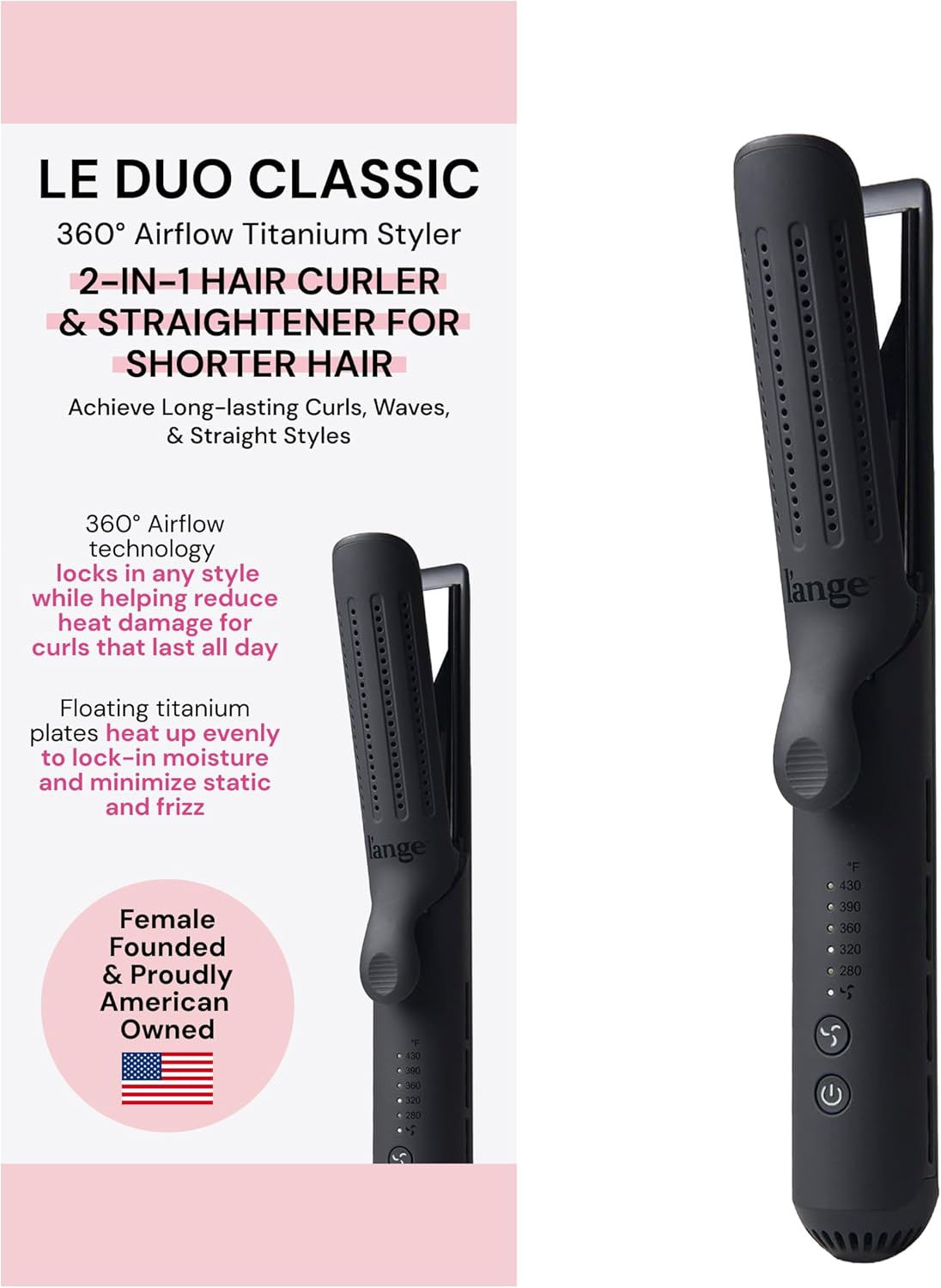
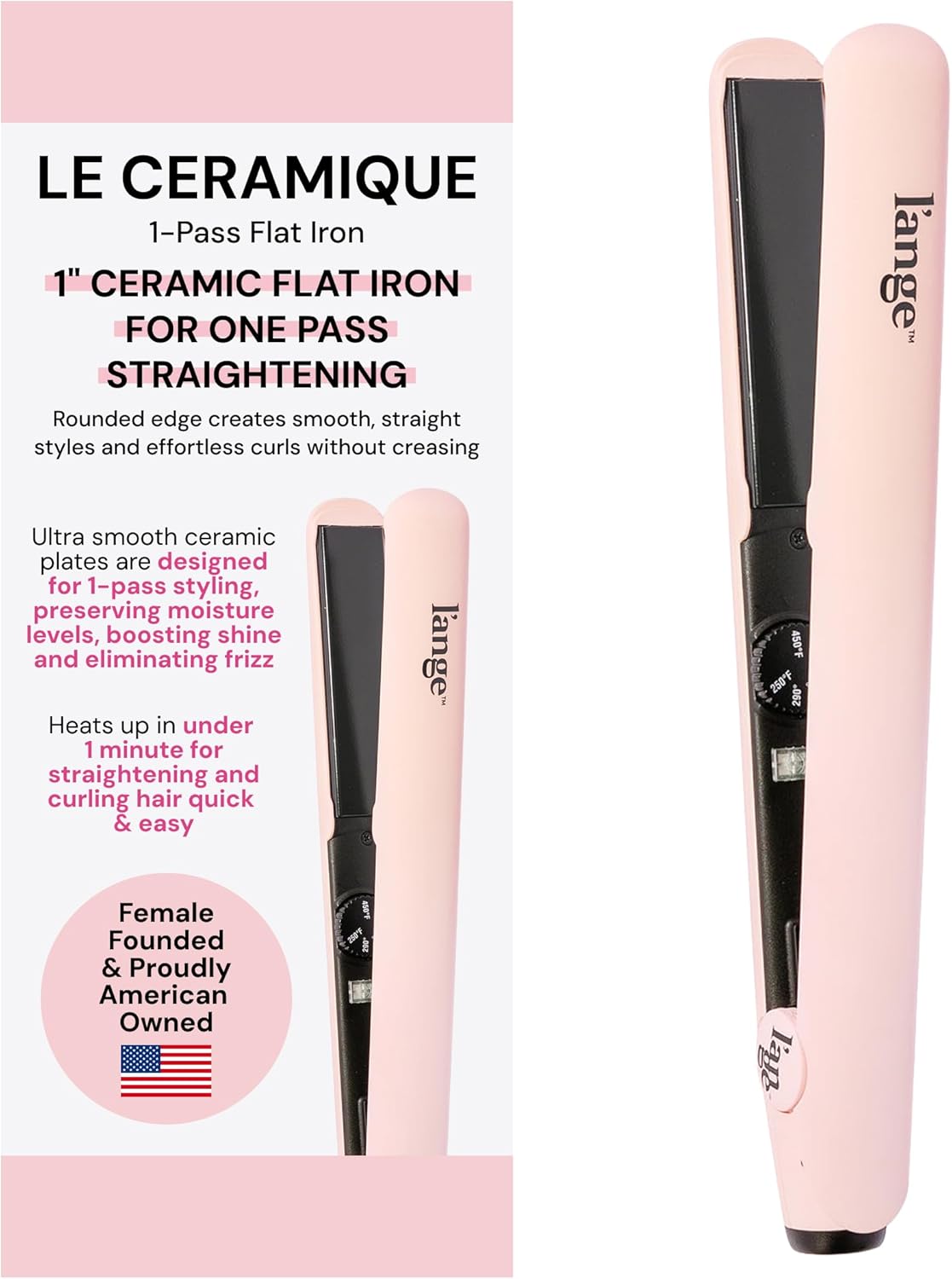
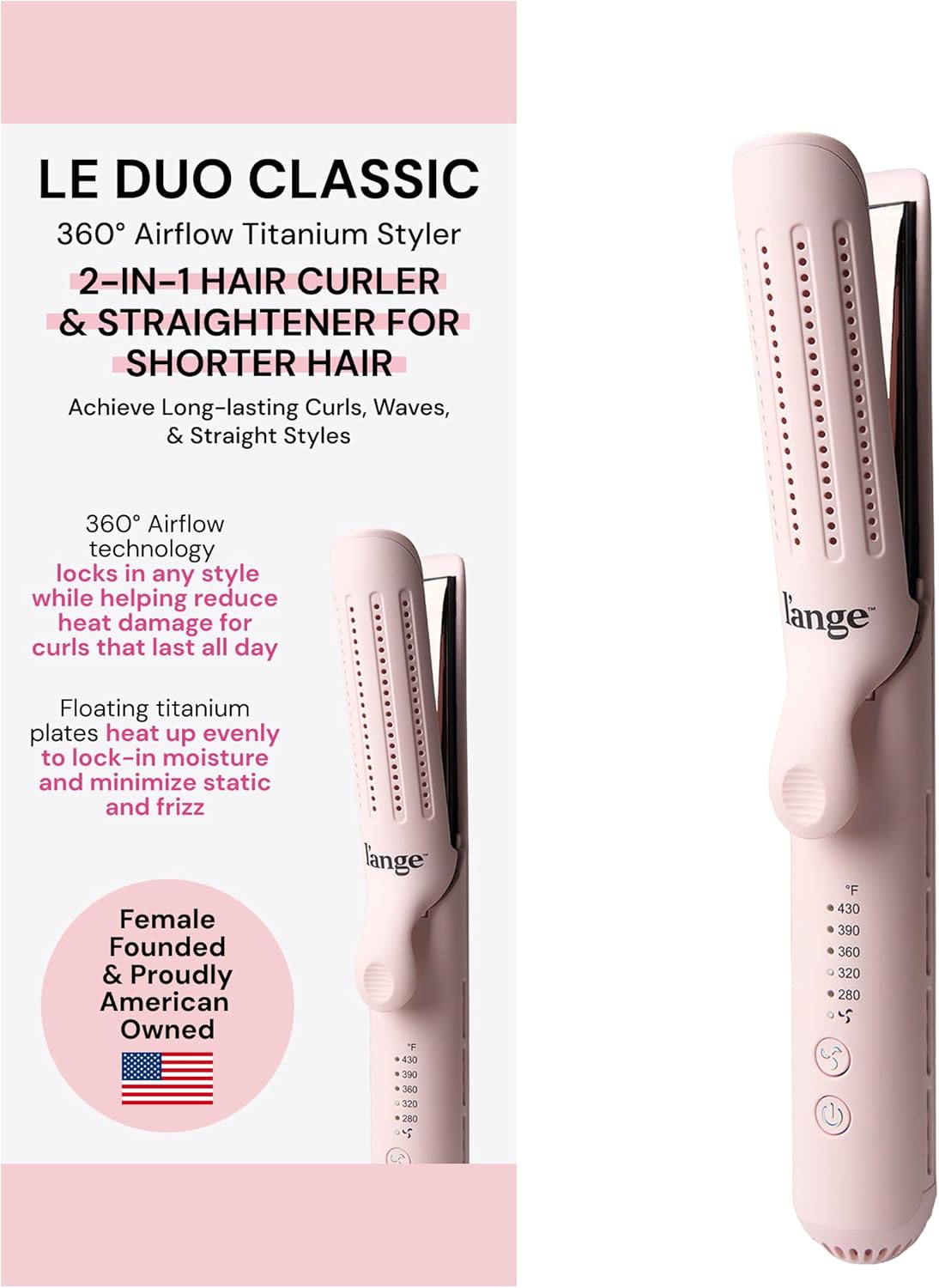
Not all heat tools are created equal. Lower temperatures and advanced materials like ceramic and tourmaline distribute heat more evenly, reducing hot spots that cause burning. For curling, opt for a titanium wand that heats up quickly and maintains a consistent temperature—like the L'ANGE Hair Le Curl 25 MM Titanium Curling Wand. Its 25mm barrel creates defined curls without exceeding 400°F, and the titanium material helps preserve moisture. For straightening, a brush-style tool can be gentler than flat irons because it doesn't clamp down on strands.
Step 6: Adjust Your Washing and Drying Routine
Overwashing strips natural oils, so aim to wash your hair 2–3 times per week. Use lukewarm water instead of hot, and always follow with a conditioner. After washing, gently squeeze out excess water with a microfiber towel—never rub vigorously with a cotton towel, as this causes friction and breakage. Air-dry whenever possible, or use a hair dryer on the lowest heat setting with a diffuser. If you must blow-dry, keep the nozzle moving to avoid concentrating heat on one spot.
Step 7: Trim Split Ends Regularly
No product can repair a split end once the hair shaft has frayed. To prevent splits from traveling up the hair strand, schedule a trim every 6–8 weeks. A professional stylist can remove damaged ends without sacrificing length, and regular trims keep your hair looking healthy and full.
Step 8: Embrace Protective Styling
Give your hair a break from heat by wearing protective styles like braids, buns, or twists. These styles minimize manipulation and reduce the need for daily heat exposure. When you do use heat, limit it to 2–3 times per week at most. On off days, refresh your hair with dry shampoo or a root touch-up powder to maintain volume without heat.
Step 9: Nourish from the Inside Out
Healthy hair starts from within. Incorporate foods rich in protein, biotin, omega-3 fatty acids, and vitamins A, C, and E into your diet. Eggs, salmon, avocados, nuts, and leafy greens are excellent choices. Staying hydrated also supports overall hair health. While supplements can help, always consult a healthcare provider before starting any new regimen.
Sample Weekly Repair Routine
| Day | Action |
|---|---|
| Monday | Wash with sulfate-free shampoo, condition with bond-building conditioner, apply leave-in moisture treatment, air-dry. |
| Tuesday | No wash. Spritz with water and apply a small amount of smoothing balm to tame flyaways. |
| Wednesday | Deep condition with a hydrating mask. Rinse with cool water. Air-dry or use a diffuser on low heat. |
| Thursday | Protective style (braid or bun) to minimize manipulation. |
| Friday | Wash and repeat bond-building routine. If styling, apply heat protectant first and use low heat. |
| Saturday | Heat-free day. Use dry shampoo for volume. |
| Sunday | Evaluate progress. Trim if needed. Apply a light leave-in oil to ends. |
Common Mistakes That Worsen Heat Damage
Avoid these pitfalls to accelerate your repair journey:
- Skipping heat protectant — Even a single pass without protection can cause lasting damage.
- Using the highest heat setting — Start at the lowest temperature that achieves your desired style.
- Repeating passes — Going over the same section multiple times increases damage. Use smaller sections for better results.
- Wet styling — Never use heat on soaking wet hair; always dry it first or use a tool designed for damp hair.
- Ignoring product buildup — Buildup can trap heat, causing uneven distribution. Clarify your hair once a month.
How to Prevent Future Heat Damage
Once your hair is on the mend, adopt these preventive habits:
- Always apply a heat protectant before styling, even if you're just touching up.
- Lower the temperature on your tools—fine hair should stay below 350°F, normal hair at 350–400°F, and coarse hair up to 450°F.
- Limit heat styling to 2–3 times per week.
- Use tools with adjustable temperature settings and auto-shutoff features.
- Incorporate bond-building products into your regular routine to maintain strength.
- Invest in high-quality tools that distribute heat evenly and reduce hot spots.
Conclusion: Your Heat Damage Recovery Starts Today
Repairing heat-damaged hair is a journey that requires consistency, the right products, and a gentle touch. By incorporating bond-building conditioners, deep moisture treatments, and heat protectants into your routine, you can restore your hair's health and prevent future breakage. Remember, the goal is not to eliminate heat styling entirely but to use it wisely and protectively. With patience and the right care, your hair can regain its natural strength, shine, and elasticity.
Ready to start your repair journey? Explore the L'ANGE HAIR Ms. Bond Building + Strengthening Conditioner to rebuild bonds and restore resilience from the first wash. Your hair deserves the best—give it the care it needs to thrive.