How to Choose the Best Shampoo and Conditioner for Your Hair Type: A Complete Guide to Sulfate-Free and Color-Safe Formulas
By L'ANGE | Published: 2026-05-23
Category: How-to Guides
Learn how to pick the perfect shampoo and conditioner for your hair type with this expert guide. Discover sulfate-free, color-safe formulas to build a healthier hair care routine.
Choosing the right shampoo and conditioner is the foundation of any effective hair care routine. With countless formulas promising hydration, volume, color protection, and repair, it's easy to feel overwhelmed. The truth is, the best shampoo for your hair type depends on your scalp condition, hair texture, porosity, and styling habits. Whether you have fine, oily strands or thick, color-treated curls, understanding ingredients like sulfates and silicones can transform your wash day. In this complete guide, we’ll walk you through how to select sulfate-free conditioners, color-safe shampoos, and the perfect duo for your unique needs — so you can stop guessing and start glowing.
Why Your Shampoo and Conditioner Matter More Than You Think
Your shampoo and conditioner do more than just clean and soften. They set the stage for every other product and tool you use. A mismatch can lead to frizz, build-up, breakage, or dull color. On the other hand, the right pair can boost volume, extend your blowout, and keep your scalp balanced. According to dermatologists, using a sulfate-free shampoo is especially important for color-treated or dry hair, as sulfates strip natural oils and fade dye. Similarly, a color-safe conditioner locks in moisture without weighing hair down.
The Role of pH in Hair Care
Healthy hair has a slightly acidic pH (around 4.5–5.5). Many traditional shampoos are too alkaline, which lifts the cuticle and causes frizz. Look for pH-balanced formulas — they help close the cuticle, enhance shine, and reduce tangles. If your current routine leaves hair feeling rough or looking dull, a pH-optimized shampoo and conditioner set could be the simple fix you need.
How to Identify Your Hair Type and Scalp Needs
Before you shop, assess your hair using these four factors:
- Texture: Fine, medium, or coarse. Fine hair needs lightweight moisture; coarse hair craves richer creams.
- Porosity: Low porosity (hard to absorb water) benefits from clarifying shampoos and lightweight conditioners. High porosity (soaks up water quickly) needs protein and deep moisture.
- Scalp condition: Oily, dry, or normal. Oily scalps do well with volumizing shampoos; dry scalps need soothing, hydrating formulas.
- Chemical or heat history: Color-treated, relaxed, or frequently heat-styled hair requires color-safe and bond-repairing products.
Fine Hair: Avoid Heavy Oils and Silicones
If your hair is fine and prone to flatness, choose a volumizing shampoo with ingredients like rice protein or biotin. Skip heavy butters and silicones that cling to strands. A lightweight, sulfate-free conditioner applied only to the mid-lengths and ends will keep roots lifted. For added body, pair your wash with a round brush like the L'ANGE HAIR VolumePro Extra-Long Ceramic Ionic Round Brush, Black (53mm) — it helps create root lift without weighing hair down.
Thick or Coarse Hair: Prioritize Hydration
Coarse or thick hair often lacks moisture and can feel straw-like. Look for sulfate-free shampoos with shea butter, argan oil, or glycerin. A rich conditioner with ceramides or fatty alcohols will soften and detangle. If your hair is also dry from heat styling, consider using a bond-repairing mask once a week to strengthen strands.
Curly and Coily Hair: Embrace Sulfate-Free and Creamy Formulas
Curly and coily textures are naturally drier because sebum struggles to travel down the spiral. A sulfate-free shampoo is non-negotiable — it cleanses without stripping precious moisture. Pair it with a creamy, silicone-free conditioner that defines curls and reduces shrinkage. For extra definition after washing, a curl-enhancing styler or a titanium wand can help shape bouncy waves. The L'ANGE HAIR Ondulé 32 MM Titanium Curling Wand is excellent for creating uniform spirals on damp or dry hair.
What Does Sulfate-Free Really Mean? A Complete Guide
Sulfates — like sodium lauryl sulfate (SLS) and sodium laureth sulfate (SLES) — are harsh detergents that create foam but strip natural oils. A sulfate-free shampoo uses gentler cleansers (coco-glucoside, decyl glucoside, or sodium cocoyl isethionate) that clean effectively without disrupting the moisture barrier. This is especially critical if you have:
- Color-treated hair (sulfates accelerate fading)
- Dry or damaged hair (sulfates worsen brittleness)
- Sensitive scalp (sulfates can cause irritation)
- Curly or coily hair (sulfates lead to frizz and dryness)
Myth: Sulfate-Free Shampoos Don’t Clean Well
Not true. Modern sulfate-free formulas remove oil, dirt, and product build-up without over-drying. If you use heavy silicones or waxes, you may need a clarifying wash once a month — but for daily or weekly use, sulfate-free is both gentle and effective.
Color-Safe Shampoo and Conditioner: How to Protect Your Investment
Whether you have balayage, highlights, or all-over color, a color-safe shampoo is essential to prevent fading and brassiness. These formulas are typically sulfate-free and contain UV filters, antioxidants, and low pH to seal the cuticle. Look for ingredients like sunflower seed extract or vitamin E. A color-safe conditioner adds a protective layer and smooths the cuticle, extending the life of your color by weeks.
How Often Should You Wash Color-Treated Hair?
Wash less often — aim for 1–2 times per week. In between, use a dry shampoo or a co-wash. Over-washing strips color and moisture. When you do wash, always follow with a conditioner and a leave-in treatment. For quick touch-ups on roots, the L'ANGE HAIR RootMatch Instant Root Cover Up Powder (Light Brown) is a lifesaver for concealing regrowth between salon visits.
Shampoo and Conditioner Buying Guide: Matching Products to Your Routine
Use this quick-reference table to match your hair type with the right formula:
| Hair Type | Shampoo Type | Conditioner Type | Key Ingredients to Look For |
|---|---|---|---|
| Fine / Oily | Volumizing, sulfate-free | Lightweight, root-lifting | Biotin, rice protein, salicylic acid |
| Thick / Coarse | Hydrating, sulfate-free | Rich, creamy | Argan oil, shea butter, ceramides |
| Curly / Coily | Sulfate-free, moisturizing | Deep conditioning, slip-rich | Aloe vera, coconut oil, hydrolyzed proteins |
| Color-Treated | Color-safe, sulfate-free | Color-protecting, UV-filter | Sunflower seed extract, vitamin E, low pH |
| Dry / Damaged | Repairing, bond-building | Restorative, protein-infused | Keratin, amino acids, bond-repairing actives |
Building a Complete Hair Care Routine Around Your Shampoo and Conditioner
A great shampoo and conditioner are just the start. To maximize results, incorporate these steps:
- Pre-wash treatment: Apply oil (coconut or jojoba) to dry ends 20 minutes before washing to prevent moisture loss.
- Double cleanse: If you use heavy products, shampoo twice — first to remove build-up, second to cleanse the scalp.
- Condition strategically: Apply conditioner from mid-lengths to ends, never the scalp. Leave on for 2–3 minutes.
- Cool rinse: End your shower with a cool water rinse to seal the cuticle and boost shine.
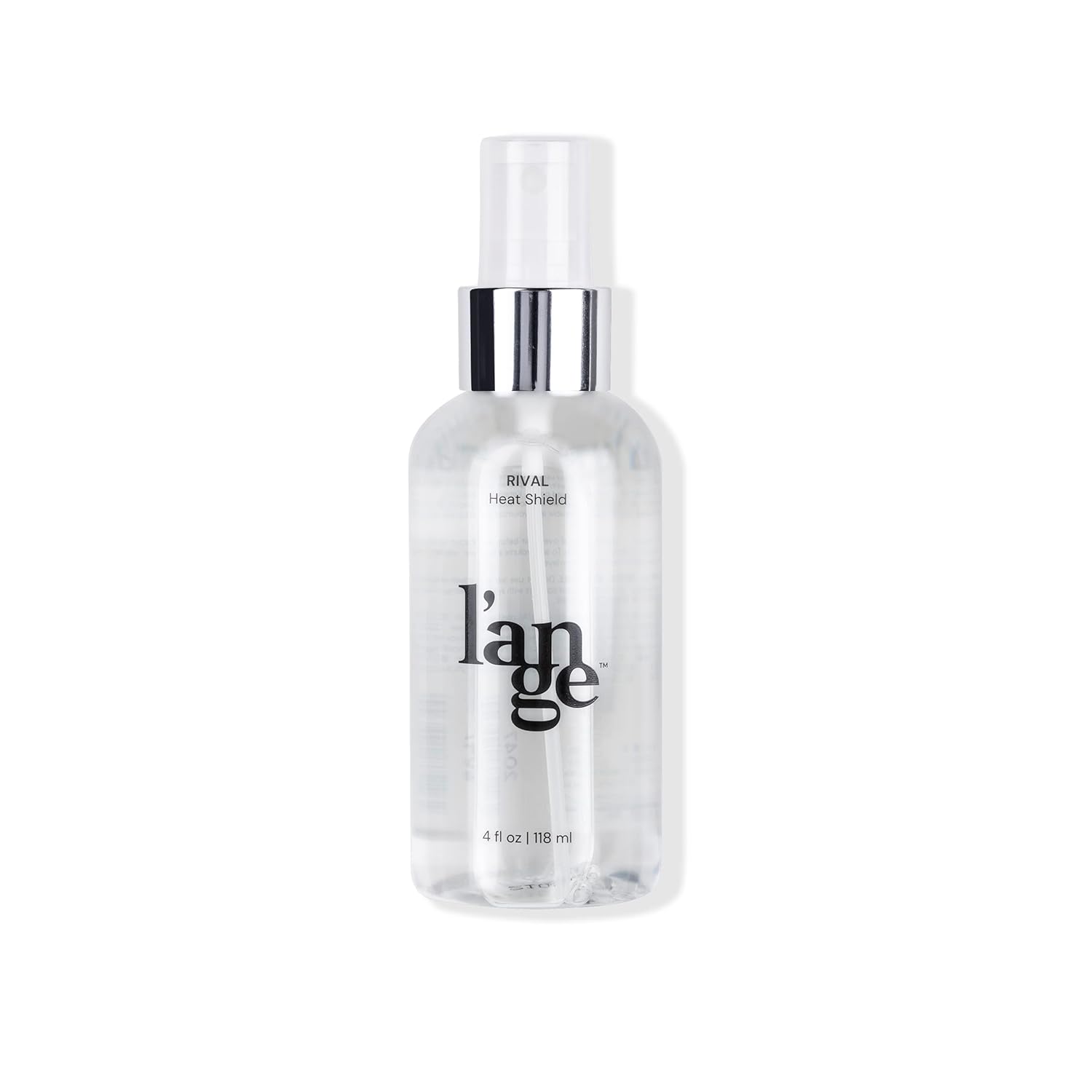
- Heat protection: Before any heat styling, apply a thermal protectant. Many L'ANGE tools, like the L'ANGE HAIR Le Duo Edge 360° Airflow Titanium Styler Blush (Black), are designed to work with heat protection for smoother, safer results.
Common Mistakes to Avoid When Choosing Shampoo and Conditioner
Even with the best intentions, it’s easy to slip up. Here are the top pitfalls:
- Using too much product: A quarter-sized dollop of shampoo is plenty. Over-using can lead to build-up.
- Skipping conditioner: Even oily scalps need moisture on the ends. Just keep it off the roots.
- Ignoring your scalp: Your scalp is skin. If it’s flaky or itchy, choose a shampoo with soothing ingredients like tea tree or aloe.
- Switching too often: Give a new shampoo and conditioner at least 2–3 weeks to show results. Constant changes confuse your hair and scalp.
- Not reading labels: “Natural” doesn’t always mean gentle. Always check for sulfates, parabens, and silicones if you want to avoid them.
Frequently Asked Questions About Shampoo and Conditioner
Can I use the same shampoo and conditioner year-round?
Your hair’s needs change with seasons and styling habits. In winter, you may need more moisture; in summer, a clarifying or lighter formula. Reassess every few months.
Is silicone in conditioner bad?
Not necessarily. Some silicones (like dimethicone) can cause build-up if you don’t clarify regularly. Water-soluble silicones are fine. If you use a sulfate-free shampoo, opt for silicone-free conditioners to avoid build-up.
How do I know if a shampoo is color-safe?
Check the label for “color-safe” or “sulfate-free.” Also look for the words “UV protection” or “antioxidant.” Avoid shampoos with strong detergents or bright colors that can stain.
Conclusion
Finding the best shampoo for your hair type doesn't have to be a guessing game. Start by identifying your texture, porosity, and scalp needs, then choose a sulfate-free, color-safe formula that aligns with your styling habits. Pair it with a complementary conditioner, and don't forget to protect your hair from heat and environmental stress. With the right foundation, every wash day becomes a step toward healthier, more beautiful hair.
Ready to upgrade your wash routine? Explore L'ANGE’s curated collection of shampoos, conditioners, and styling tools designed for every hair type. Start with a L'ANGE HAIR Ondulé 25 MM Ceramic Curling Wand for perfect curls that last — your hair deserves the best.