Heat Protection Myths Debunked: What You Really Need to Know Before Styling
By ONID TECH | Published: 2026-06-18
Category: Industry News
Discover the truth behind common heat protection myths. Learn how to safely use styling tools, choose the right products, and protect your hair from thermal damage.
Heat styling tools have become essential for achieving salon-quality looks at home, but misinformation about heat protection is everywhere. From the belief that natural oils work as well as dedicated sprays to the idea that low heat always means no damage, these myths can lead to dry, brittle, and broken hair. At ONID TECH, we believe in evidence-based haircare. In this article, we debunk the most persistent heat protection myths and give you the facts you need to style safely and beautifully.
Myth #1: Natural Oils Like Coconut or Argan Oil Are Just as Good as Heat Protectants
One of the most common misconceptions is that applying coconut oil, argan oil, or olive oil before heat styling provides the same protection as a dedicated thermal spray. While these oils are excellent for moisturizing and sealing the cuticle after styling, they are not designed to withstand high temperatures. Many natural oils have a low smoke point—coconut oil, for example, begins to smoke at around 350°F. When you use a curling wand or flat iron that reaches 400°F or higher, the oil can actually burn on your hair, causing more damage than if you used nothing at all.
True heat protectants contain ingredients like silicones, polymers, and hydrolyzed proteins that form a protective barrier around each strand. This barrier absorbs and distributes heat evenly, preventing the hair shaft from reaching scorching temperatures. For example, L'ANGE HAIR Sorbet Botanical Smoothing Balm is formulated with heat-shielding polymers and botanical extracts to protect hair up to 450°F while adding a silky finish. Always choose a product specifically labeled as a heat protectant, and save your natural oils for post-styling nourishment.
Myth #2: Low Heat Settings Are Always Safe
Many people think that using a low temperature setting on their L’Ange Hair Axia HaloRing Ionic Hair Dryer (Black) or curling wand automatically prevents damage. While lower heat is generally better, it is not a guarantee of safety. The key factor is the amount of time the heat is applied to each section of hair. Repeated passes with a low-heat tool can cause cumulative thermal stress, especially if you are targeting damp or wet hair.
Heat damage occurs when the hair's internal moisture reaches boiling point (around 212°F) and turns to steam, which disrupts the protein bonds. Even at 300°F, prolonged contact can cause this. The safest approach is to use the lowest effective temperature for your hair type—typically 300°F–350°F for fine or damaged hair, 350°F–400°F for normal hair, and 400°F–450°F for thick or coarse hair—and limit passes to two or three per section. Always ensure your hair is completely dry before using irons or wands, as water amplifies heat damage.
Myth #3: You Only Need Heat Protection for Curling Wands and Flat Irons
It is easy to assume that blow dryers and hair dryer brushes are gentler than direct contact tools, but they still generate intense heat. The air from a high-speed dryer can reach temperatures over 200°F at the nozzle, and when combined with a concentrator or brush, the heat is concentrated on the hair cuticle. This can lead to frizz, breakage, and loss of natural shine over time.
Every heat styling tool—whether it is a blow dryer, curling wand, flat iron, or hot brush—requires a thermal protectant. Many stylists recommend using a leave-in conditioner or spray that offers both heat protection and moisture. For instance, L'ANGE HAIR Envie Leave-In Conditioner (4 Fl Oz) not only detangles and hydrates but also provides thermal defense up to 450°F. Apply it to damp hair before blow-drying or to dry hair before using any hot tool.
Myth #4: Heat Protectants Weigh Down Fine Hair
Another widespread belief is that heat protectants are heavy and greasy, making fine hair look limp and oily. This myth likely stems from older formulations that were thick and silicone-heavy. Modern heat protectants have evolved significantly. Today, you can find lightweight mists, serums, and creams that evaporate quickly and leave no residue.
Look for products labeled "volumizing," "lightweight," or "fine hair friendly." Sprays and mists are particularly good for fine textures because they distribute evenly without saturating strands. A few spritzes from an arm's length away, followed by a quick brush-through, is all you need. The key is to focus on the mid-lengths and ends, where damage is most likely, and avoid the roots unless you are using a root-lifting product.
Myth #5: You Can Use Any Heat Protectant with Any Tool
Not all heat protectants are created equal, and some are better suited to specific tools. For instance, a product designed for curling wands may have a different viscosity than one meant for flat irons. Additionally, the maximum temperature tolerance can vary. Always check the label for the highest safe temperature—most quality protectants are effective up to 450°F, but some budget options may only protect up to 350°F.
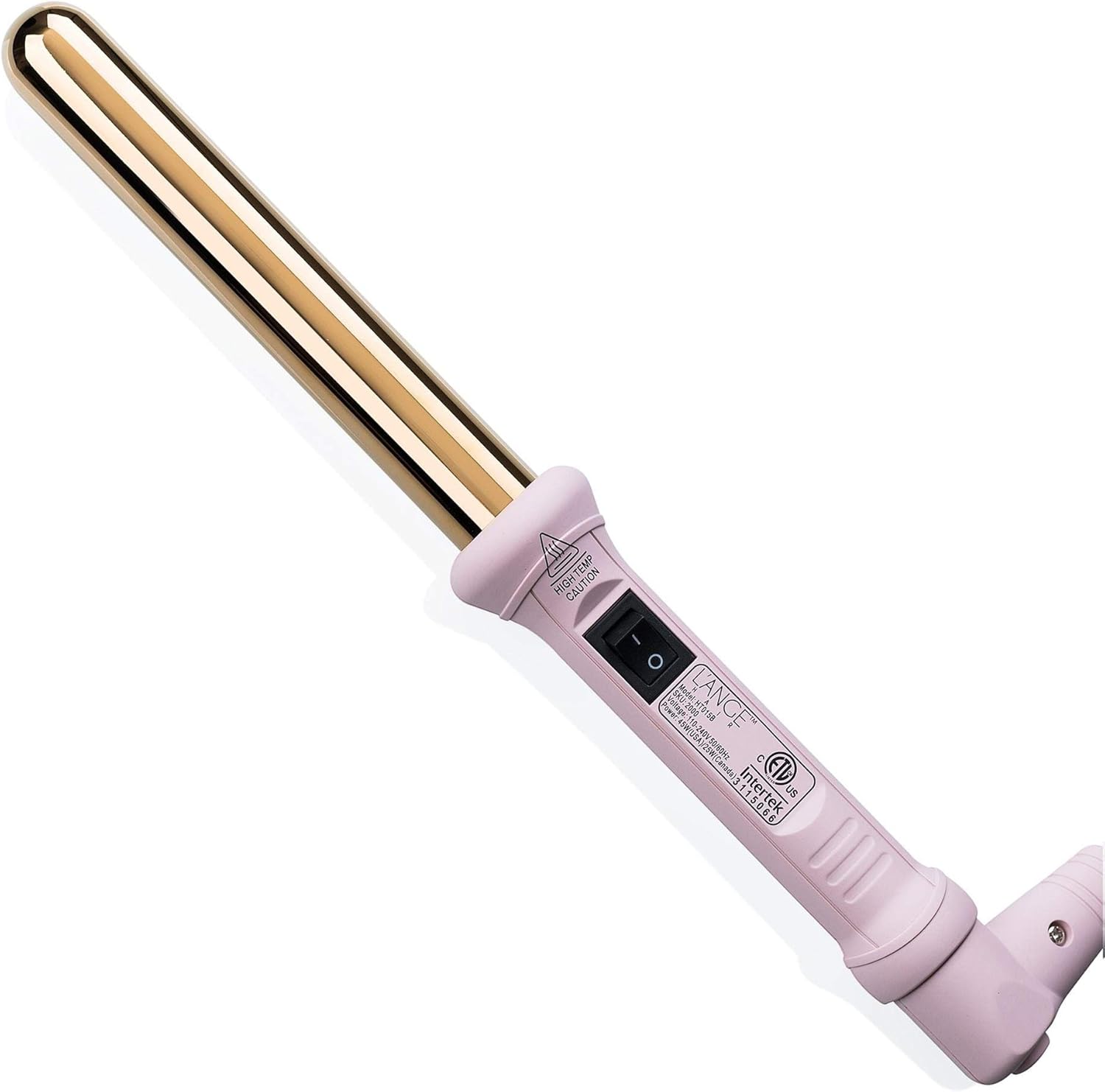
If you frequently use high-heat tools like titanium curling wands, which can reach 450°F in seconds, you need a protectant that matches that range. The L'ANGE HAIR Ondulé 32 MM Titanium Curling Wand is a popular choice for creating soft, bouncy curls, but it requires a strong thermal barrier. Pair it with a heat protectant that is explicitly rated for high temperatures and that works well with your hair type—fine hair benefits from a mist, while thick or curly hair may prefer a cream.
Myth #6: Heat Protection Is Only for People Who Style Every Day
Even occasional heat styling can cause cumulative damage. Each time you use a hot tool, you strip away some moisture and weaken the protein structure. Over months and years, this leads to split ends, dullness, and thinning. Think of heat protection as an insurance policy: it costs very little time and money compared to the cost of repairing damaged hair with masks, treatments, and trims.
If you style only once a week, you still need to protect your hair. In fact, occasional heat users may be more at risk because they may not pay attention to technique or product application. A simple habit—spraying a heat protectant before every heat styling session—can make a dramatic difference in the long-term health of your hair.
Myth #7: Heat Protectants Are All the Same—Just Buy the Cheapest One
This myth could not be further from the truth. The efficacy of a heat protectant depends on its ingredient list, concentration, and formulation. Cheap products often contain low levels of active ingredients or use inferior silicones that wash off quickly. Premium formulations invest in advanced polymers, antioxidants, and humectants that provide lasting protection even in high humidity or with repeated heat exposure.
For example, a product like L'ANGE HAIR Posh Hair Polish combines thermal protection with shine-enhancing ingredients, so you get dual benefits from a single product. When choosing a heat protectant, look for terms like "thermal shield," "heat-activated," or "up to 450°F protection." Reading reviews and checking the ingredient list can help you avoid products that are mostly water and alcohol.
Myth #8: You Don't Need Heat Protection if You Use a Low-Heat Setting
We have already touched on this, but it bears repeating: even low heat can damage hair if applied incorrectly. The real danger is not just the temperature, but the duration and frequency of exposure. If you use a low-heat setting but go over the same section multiple times, you create cumulative stress. Additionally, low heat may not be sufficient to seal the cuticle properly, leading to frizz and lackluster results.
Heat protectants work by distributing heat more evenly, so even at lower temperatures, the hair experiences less stress. They also help the tool glide smoothly, reducing friction and snagging. So whether you are using a hair dryer brush at 300°F or a curling wand at 400°F, always apply a thermal protectant first. It is a small step that pays huge dividends for hair health.
How to Choose the Right Heat Protectant for Your Hair Type
Now that we have busted the most common myths, let us talk about how to pick the right product. Consider your hair texture, porosity, and typical styling routine:
- Fine or thin hair: Opt for a lightweight mist or spray that won't weigh hair down. Avoid heavy creams or oils.
- Thick or coarse hair: A cream or balm provides extra moisture and slip, making detangling easier before styling.
- Curly or textured hair: Look for products with humectants like glycerin or aloe vera to maintain curl definition while protecting from heat.
- Color-treated or chemically processed hair: Choose a protectant with UV filters and antioxidants to prevent fading and yellowing.
- Damaged or brittle hair: Seek out products with bond-repairing ingredients like hydrolyzed keratin or biotin.
Always apply the product to clean, dry or damp hair (as directed) and comb through to ensure even coverage. Do not forget the ends, which are the oldest and most vulnerable part of your hair.
Final Tips for Safe Heat Styling
Beyond using a heat protectant, here are a few tips to minimize damage:
- Never use heat on wet or damp hair unless the tool is specifically designed for that purpose (like a blow dryer).
- Keep your tools clean—buildup of product and oil can cause hot spots that unevenly heat the hair.
- Use a lower heat setting first and only increase if necessary.
- Limit heat styling to no more than three times per week, if possible.
- Give your hair a break with protective styles like braids or buns between sessions.
By following these guidelines and choosing the right thermal protection, you can enjoy the versatility of heat styling without sacrificing the health of your hair.
Conclusion
Heat protection is not an optional luxury—it is a necessity for anyone who uses styling tools. By debunking these myths, we hope you feel more confident in selecting and using heat protectants wisely. Remember, the best protection comes from a combination of quality products, proper technique, and mindful habits. When you invest in your haircare routine, your hair will reward you with shine, strength, and vitality.
Ready to upgrade your heat protection game? Explore the L'ANGE HAIR Sorbet Botanical Smoothing Balm today and give your hair the safe, beautiful styling it deserves.