Hair Dryer Brush vs. Blow Dryer: Which Saves More Time and Reduces Damage?
By L'ANGE | Published: 2026-05-23
Category: Product Reviews
Discover the key differences between a hair dryer brush and a traditional blow dryer. Compare time savings, heat damage, and styling ease to find the best tool for your routine.
If you've ever spent twenty minutes wrestling with a round brush and a hairdryer, only to end up with frizz and a sore arm, you know the struggle is real. The debate between a hair dryer brush vs blow dryer isn't just about convenience—it's about protecting your hair from unnecessary heat exposure while achieving the salon-worthy results you crave. In this guide, we break down the pros and cons of each tool, from drying speed to damage control, so you can choose the best hair dryer brush or classic blower for your hair type and lifestyle.
What Is a Hair Dryer Brush?
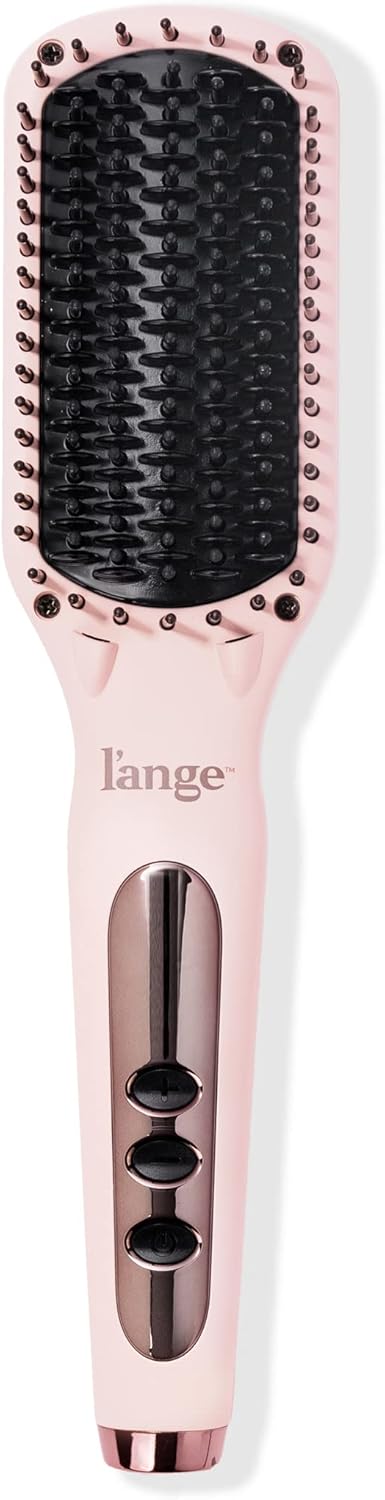
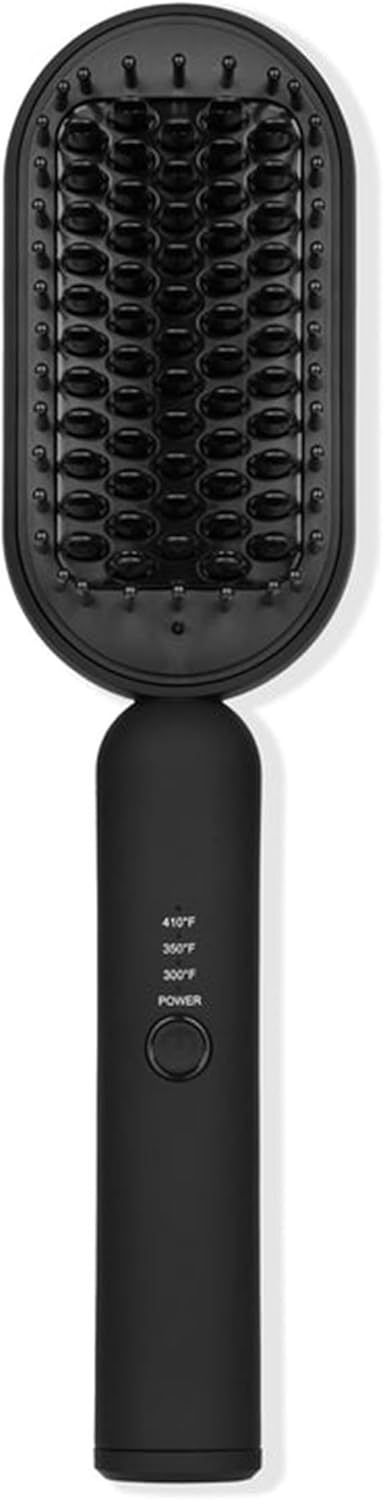
A hair dryer brush combines the power of a blow dryer with the styling capability of a round or paddle brush. Instead of holding a dryer in one hand and a brush in the other, you simply glide the heated brush through your hair. This all-in-one design cuts down on styling time and reduces the awkward coordination required with traditional tools.
Popular models like the L'ANGE HAIR Le Volume 2-in-1 Titanium Blow Dryer Brush (Blush - 75mm) use titanium barrels for even heat distribution and faster drying. For those who prefer a smaller barrel for shorter hair or more precision, the L'ANGE HAIR VolumeBoost 60mm 2-in-1 Ceramic Volumizing Brush Dryer (Blue) offers a ceramic surface that helps reduce frizz and add shine.
Traditional Blow-Drying: The Classic Approach
Traditional blow-drying involves a separate handheld hairdryer and a brush (typically round or paddle). You aim hot air at sections of damp hair while simultaneously tensioning the strands with the brush. This method gives you full control over airflow direction and temperature, but it also requires more skill and time.
High-end dryers like the L'ANGE HAIR Le Styliste Luxe Digital Luxury Hair Dryer feature ionic technology and multiple heat settings to minimize damage. However, even the best dryer can't eliminate the need for two-handed coordination, which often leads to uneven drying or accidental burns.
Time Comparison: Which Tool Dries Hair Faster?
One of the biggest selling points of a hair dryer brush is its time-saving ability. Because the brush delivers heat directly to the hair shaft while simultaneously styling, you can dry and smooth in one pass. With a traditional blow dryer, you typically rough-dry first, then switch to a brush for finishing—adding 5 to 15 minutes to your routine.
| Tool | Average Time (Medium-Length Hair) | Steps Required |
|---|---|---|
| Hair Dryer Brush | 10–15 minutes | 1 (dry + style together) |
| Traditional Blow Dryer + Brush | 20–30 minutes | 2 (rough dry + finish) |
For busy mornings, a hair dryer brush can be a game-changer. But speed isn't everything—heat damage potential also plays a major role in your decision.
Damage Comparison: Heat Exposure and Hair Health
Traditional Blow Dryers
Standard blow dryers can reach very high temperatures, especially on high settings. Without a concentrator nozzle, the heat disperses unevenly, which can cause hot spots and lead to moisture loss. The constant back-and-forth motion also creates friction, lifting the cuticle and contributing to frizz. Even with a heat protectant, prolonged exposure to direct heat can weaken the hair's protein structure over time.
Hair Dryer Brushes
Hair dryer brushes typically operate at lower peak temperatures than standalone dryers. Many models, including ceramic and titanium options, offer adjustable heat settings to suit fine or fragile hair. Because the brush head distributes heat across the bristles, you get more even coverage without concentrating heat on one spot. The result is less thermal stress and smoother cuticles.
That said, the brushing motion itself can cause mechanical damage if you use too much tension or pull through wet hair. Always start with towel-dried hair and apply a heat protectant spray for an extra layer of defense.
Best Hair Dryer Brush for Different Hair Types
Choosing the right tool depends on your hair's texture, length, and styling goals.
Fine or Thin Hair
If you have fine hair that's prone to breakage, opt for a ceramic-barrel brush with adjustable low heat. The L'ANGE HAIR VolumeBoost 60mm 2-in-1 Ceramic Volumizing Brush Dryer (Blue) is ideal because ceramic heats gently and evenly, reducing the risk of scorching delicate strands. The 60mm barrel also adds lift at the roots without excessive tension.
Thick or Coarse Hair
Thick hair benefits from a larger barrel and higher heat output. The L'ANGE HAIR Le Volume 2-in-1 Titanium Blow Dryer Brush (Blush - 75mm) uses titanium for rapid heat conduction, cutting drying time for dense hair. The 75mm barrel also helps smooth longer lengths in fewer passes.
Curly or Wavy Hair
For curly textures, a dryer brush can stretch and smooth curls without fully straightening. Use a lower heat setting and work in small sections to preserve your natural wave pattern. A smoothing brush with mixed bristles (nylon and boar) helps distribute natural oils and reduce frizz.
Which Tool Wins for Damage-Free Styling?
When it comes to minimizing heat damage, a hair dryer brush has the edge, provided you use it correctly. The lower operating temperature and even heat distribution are kinder to the hair shaft. However, the traditional blow dryer gives you more control over airflow direction, which can be better for precision styling—like creating a sleek blowout with a flat brush.
The best approach for damage-free blow-drying is to:
- Always apply a heat protectant before using any hot tool.
- Use the lowest effective heat setting for your hair type.
- Keep the tool moving to avoid concentrating heat on one section.
- Let hair air-dry to about 80% before using a dryer brush or blow dryer to reduce total heat exposure.
Portability and Storage
If you travel frequently, a hair dryer brush is more compact than a separate dryer and brush set. Many models come with a swivel cord and a heat-resistant mat for safe storage. Traditional blow dryers, while often foldable, still require you to pack a separate styling brush, which takes up extra space in your suitcase.
Final Verdict: Which Is Right for You?
If your main priority is saving time and reducing the risk of heat damage, a hair dryer brush is the clear winner. It streamlines your routine, requires less hand coordination, and runs at gentler temperatures. For those who want maximum versatility—especially for complex styles like blowouts with volume at the roots and smooth ends—a traditional blow dryer paired with a high-quality brush still holds its place.
Ultimately, the best hair dryer brush or blow dryer is the one that fits your hair type, styling preferences, and daily schedule. Both tools have their merits, but the trend toward all-in-one, heat-smart styling tools continues to grow for good reason.
Ready to upgrade your routine? Explore the L'ANGE HAIR Le Volume 2-in-1 Titanium Blow Dryer Brush (Blush - 75mm) for a gentle yet powerful drying experience that cuts your styling time in half. Your hair—and your mornings—will thank you.