Flat Iron vs. Hair Dryer Brush: Which Tool Gives You the Smoothest Blowout at Home?
By L'ANGE | Published: 2026-05-22
Category: Product Reviews
Compare flat irons and hair dryer brushes for achieving a smooth blowout at home. Discover which tool is best for your hair type, styling goals, and routine.
If you've ever scrolled through social media or flipped through a beauty magazine, you've likely seen two tools dominate the quest for sleek, smooth hair: the classic flat iron and the increasingly popular hair dryer brush. Both promise a salon-quality finish, but they work in fundamentally different ways. Whether your hair is fine, thick, curly, or straight, the choice between a flat iron and a blowout brush can make or break your styling routine (and your hair's health). In this guide, we'll break down the key differences, pros, and cons of each tool, and help you decide which one deserves a spot in your bathroom drawer for your next at-home blowout.
How a Flat Iron Works
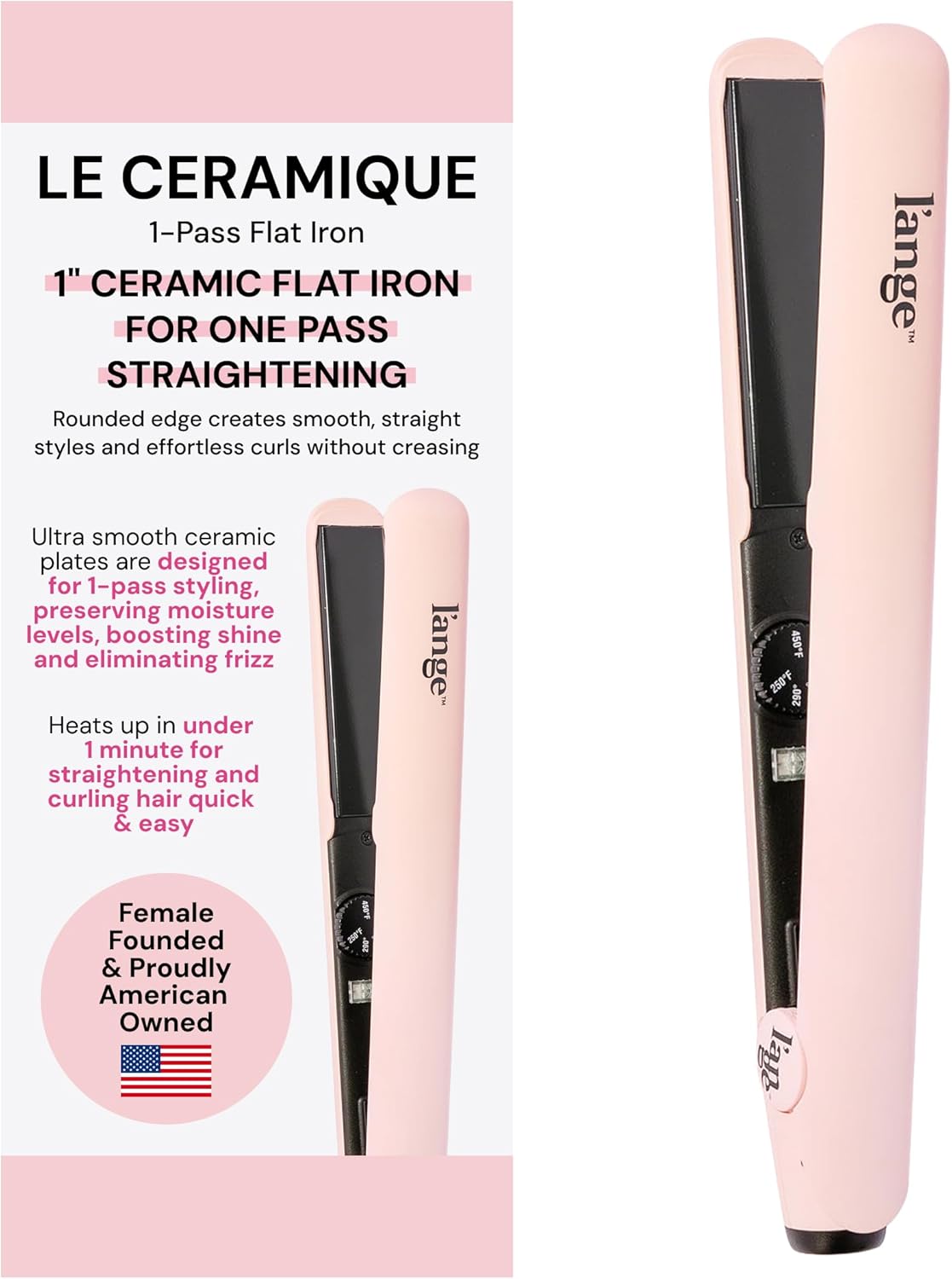
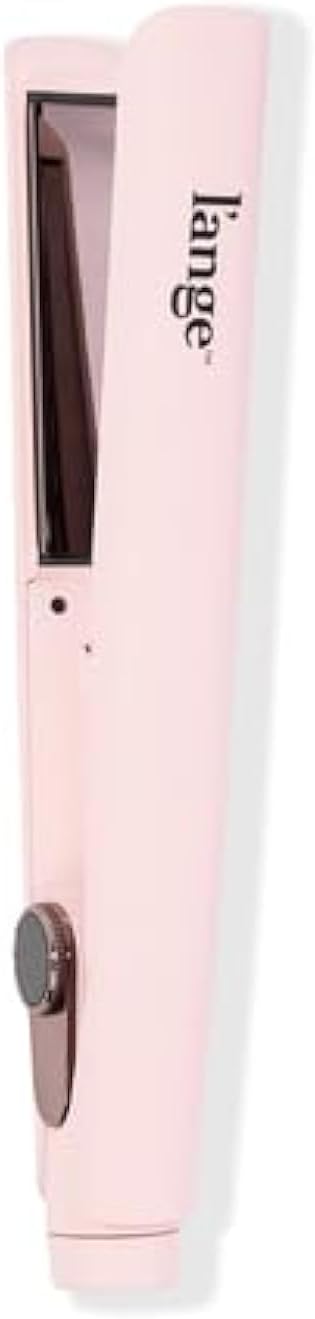
A flat iron uses heated ceramic or titanium plates to press and straighten hair strands. The heat from the plates breaks down the hydrogen bonds in the hair, allowing you to reshape it into a sleek, straight style. Flat irons are known for delivering ultra-smooth, pin-straight results, especially on stubbornly curly or wavy hair. They also allow for precision touch-ups around the roots and edges. However, because the heat is concentrated directly on the hair shaft, improper use (like high heat settings without protection) can lead to damage, dryness, and split ends.
How a Hair Dryer Brush Works
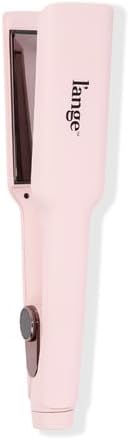
A hair dryer brush combines a blow-dryer and a round brush in one tool. It blows hot air while you brush through your hair, simultaneously drying and styling. These brushes are designed to add volume, smooth the cuticle, and reduce frizz—all while using less direct heat than a flat iron. Many models, like the L'ANGE HAIR Le Duo Standard 360° Airflow 2 in 1 Straightener and Curler (Blush), offer adjustable heat settings and airflow control, making them versatile tools for creating everything from bouncy blowouts to sleek, straight looks. Hair dryer brushes are generally gentler on hair because the heat is distributed through the bristles and airflow, not directly against the hair.
Key Factors to Consider
1. Hair Type and Texture
Your hair type plays a major role in which tool will work best for you. For fine or straight hair, a hair dryer brush can add volume and smoothness without causing flatness or damage. For thick, coarse, or tightly curly hair, a flat iron often delivers the smoothest, most long-lasting straightening results. However, many with curly hair find that using a blowout brush on damp hair first to stretch the curl pattern reduces the amount of flat ironing needed later.
2. Styling Time and Effort
Flat irons are faster for quick touch-ups on already-dry hair, but if you're starting from wet hair, you'll need to blow-dry first—adding time to your routine. Hair dryer brushes streamline the process by combining drying and styling in one step. If you're short on time and want to minimize tool switching, a blowout brush is the clear winner.
3. Heat Damage and Hair Health
Using any hot tool without proper protection can lead to damage. However, hair dryer brushes generally operate at lower surface temperatures than flat irons, and the airflow helps dissipate heat. For those with dry, damaged, or color-treated hair, a blowout brush may be a safer choice. To further protect your strands, always use a heat protectant like the L'ANGE HAIR Glass Hair Heat Protectant Spray, which creates a protective barrier without weighing hair down.
4. Versatility and Styling Options
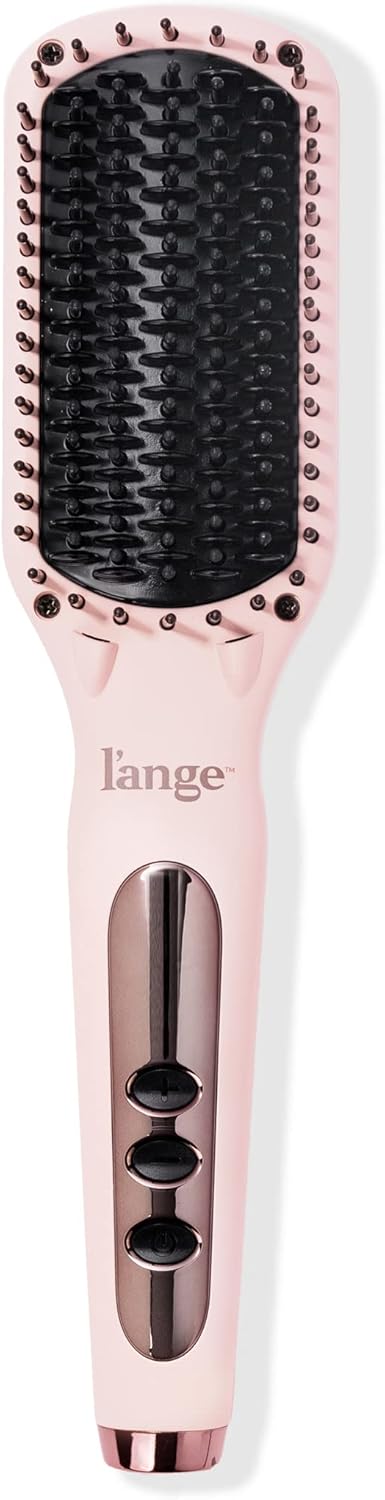
Flat irons are primarily designed for straightening, though you can create curls or waves by twisting the iron. Hair dryer brushes offer more versatility—you can achieve smooth, straight hair, voluminous blowouts, or soft bends by adjusting your brushing technique. Some models, like the L'ANGE HAIR Smooth It 2-in-1 Straightener Brush (Blush), are specifically designed to straighten while adding shine and reducing frizz, blurring the line between the two categories.
Comparison Table: Flat Iron vs. Hair Dryer Brush
| Feature | Flat Iron | Hair Dryer Brush |
|---|---|---|
| Primary function | Straightening | Drying + styling (smooth, volume, waves) |
| Time required (wet to styled) | Longer (dry first, then straighten) | Shorter (dries and styles simultaneously) |
| Heat intensity | High, direct contact | Moderate, indirect via airflow |
| Best for hair type | Thick, coarse, curly | Fine, straight, wavy, or medium textures |
| Volume potential | Low (can flatten) | High (lifts roots, adds body) |
| Damage risk | Higher if used incorrectly | Lower (but still requires heat protection) |
| Ease of use | Requires technique (sectioning, clamping) | Easier for beginners (brush + airflow) |
Which Tool is Best for Your At-Home Blowout?
Choose a Flat Iron If:
- You have thick, coarse, or very curly hair that needs high heat to straighten thoroughly.
- You want a sleek, pin-straight look with maximum shine.
- You already blow-dry your hair and only need a finishing touch.
- You are comfortable with sectioning and using high heat settings.
Choose a Hair Dryer Brush If:
- You have fine, straight, or wavy hair and want volume and smoothness.
- You want to reduce styling time by combining drying and straightening.
- You are new to hot tools and want a more forgiving, beginner-friendly option.
- You prioritize hair health and want to minimize direct heat exposure.
Tips for Getting the Smoothest Results with Either Tool
No matter which tool you choose, a few key steps will ensure your blowout looks polished and lasts longer:
- Start with clean, damp hair. Wash with a smoothing shampoo and conditioner to remove buildup and reduce frizz.
- Apply a heat protectant. Never skip this step. A lightweight spray like the L'ANGE HAIR Glass Hair Heat Protectant Spray provides thermal protection and adds shine.
- Use a leave-in conditioner or smoothing balm. Products like the L'ANGE HAIR Sorbet Botanical Smoothing Balm can help tame flyaways and add moisture.
- Section your hair. Working in small sections ensures even heat distribution and better control.
- Adjust heat settings. Use lower heat for fine or damaged hair, and higher heat only for thick, resistant textures.
- Finish with a cool shot. If your tool has a cool setting, use it to set your style and add shine.
Final Verdict: Which Tool Wins?
There's no one-size-fits-all answer—it depends on your hair type, time constraints, and desired style. For those with fine to medium hair who want a fast, voluminous blowout with less heat damage, a hair dryer brush is the better choice. For those with thick, curly, or very coarse hair who need maximum straightening power, a flat iron remains the gold standard. Many people actually benefit from owning both: use a blowout brush for everyday volume and a flat iron for special occasions when you need a sleek, polished finish. Whichever you choose, the key to a smooth, healthy-looking blowout is using the right tools and protecting your hair every step of the way.
Ready to upgrade your styling routine? Explore the L'ANGE HAIR Le Duo Standard 360° Airflow 2 in 1 Straightener and Curler (Blush) for a versatile tool that combines drying and straightening in one, or check out the full range of hair tools and treatments at L'ANGE HAIR to find your perfect match.