Why Bond-Building Treatments Are the Future of Hair Repair: Ingredients, Benefits, and Top Products
By ONID TECH | Published: 2026-06-20
Category: Industry News
Discover how bond-building hair treatments are revolutionizing hair repair. Learn about key ingredients, benefits, and top products like bond repair shampoos for stronger, healthier hair.
In the ever-evolving world of hair care, a new category has emerged that is fundamentally changing how we approach damaged hair: bond-building treatments. These innovative formulas go beyond surface-level conditioning to repair the internal structure of the hair fiber, offering a solution that is both science-backed and transformative. For anyone who colors, heat-styles, or chemically treats their hair, understanding bond repair technology is no longer optional—it's essential for maintaining long-term hair health.
What Are Bond-Building Treatments and How Do They Work?
Bond-building treatments are specialized hair care products designed to repair broken disulfide bonds within the hair shaft. These bonds are the chemical links that give hair its strength, elasticity, and shape. When hair is exposed to chemical processes like coloring, bleaching, or perm solutions—or repeated high-heat styling—these bonds can break, leading to weak, brittle, and frizzy hair. Unlike traditional conditioners that coat the hair with silicones or oils, bond builders penetrate the cortex and actively reconnect broken bonds, restoring structural integrity from the inside out.
The science behind these treatments often involves patented molecules that mimic the natural amino acids found in hair. For example, ingredients like bis-aminopropyl diglycol dimaleate work by targeting damaged disulfide bonds and reforming them, while plant-derived proteins and ceramides help seal the cuticle. This dual-action approach—bond repair plus surface smoothing—delivers results that are both immediate and cumulative with regular use.
The Rise of Bond Repair Technology in Hair Care
While bond-building treatments have been popular in professional salons for years, the recent surge in consumer-demand for hair repair technology has brought them into the mainstream. Consumers are now more educated about ingredients and are seeking products that offer genuine repair rather than temporary cosmetic fixes. According to industry data, the global bond repair market is projected to grow at a CAGR of over 8% through 2030, driven by increased awareness of hair health and the rise of at-home professional-grade treatments.
This trend has also been fueled by the growing number of people experimenting with vivid hair colors and bleach-damaged looks on social media. As a result, brands are investing heavily in research and development to create strengthening hair products that are effective yet gentle enough for daily use. From shampoos and conditioners to masks and serums, bond-building technology is now available in every step of your hair care routine.
Key Ingredients in Bond-Building Treatments
To truly understand why these treatments are so effective, it helps to look at the key ingredients that make them work. Here are the most common and scientifically validated components found in top-performing bond repair products:
- Bis-Aminopropyl Diglycol Dimaleate: This patented molecule is the star in many bond-building formulas. It penetrates deep into the hair cortex and chemically reconnects broken disulfide bonds, particularly those damaged by chemical services like bleaching or coloring.
- Hydrolyzed Proteins (Wheat, Soy, Keratin): These small-molecule proteins fill in gaps along the hair shaft and help reinforce weakened areas. They also provide a protective layer that prevents further damage.
- Coconut and Avocado Oils: While not bond-building on their own, these natural oils help seal the cuticle after repair, locking in moisture and preventing breakage.
- Ceramides: These lipid molecules mimic the natural fats found in hair and help repair the protective barrier of the cuticle, reducing frizz and improving shine.
- Amino Acids (Arginine, Cysteine): These building blocks of protein are essential for hair growth and repair. They help strengthen the hair from the root and support the bond-rebuilding process.
Benefits of Incorporating Bond Repair Products into Your Routine
Using a bond building hair treatment as part of your regular regimen offers a range of benefits that go beyond what standard conditioners can achieve. Here are the most notable advantages:
- Reduced Breakage and Split Ends: By reinforcing the internal bonds, hair becomes stronger and less prone to snapping during brushing or styling. Over time, this leads to longer, healthier hair.
- Improved Elasticity: Bond-repaired hair is more flexible, meaning it can stretch and return to its original shape without breaking. This is particularly important for curly or textured hair types.
- Enhanced Color Longevity: When hair bonds are intact, the cuticle lies flat, preventing color molecules from escaping. This helps maintain vibrant, salon-fresh color for longer.
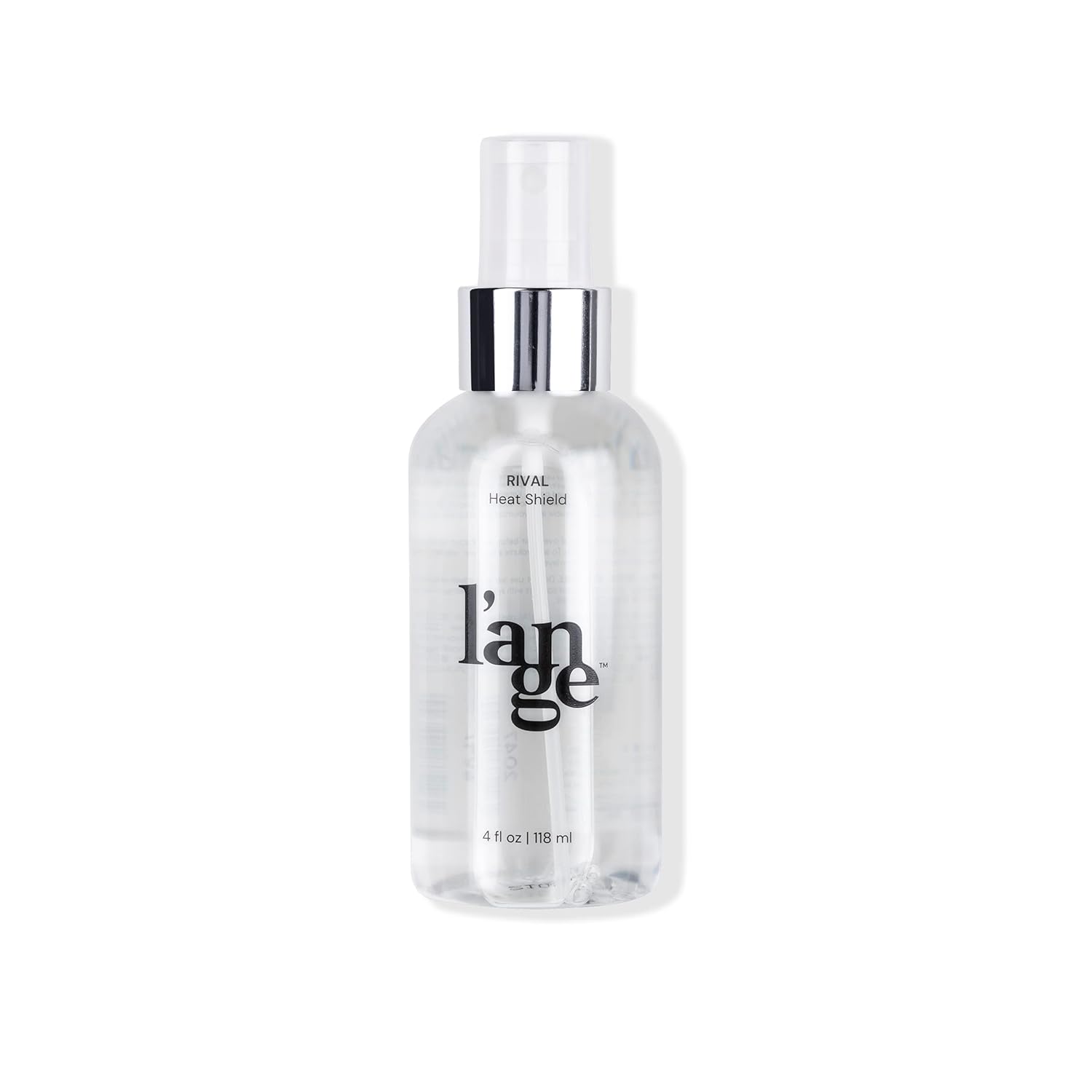
- Better Heat Protection: Stronger hair can withstand higher temperatures without sustaining permanent damage. Many bond-building products also contain heat-protectant ingredients that provide an extra layer of defense.
- Increased Shine and Smoothness: As the cuticle is sealed and bonds are repaired, light reflects off the hair more evenly, resulting in a glossy, healthy finish.
Top Bond-Building Products to Try in 2025
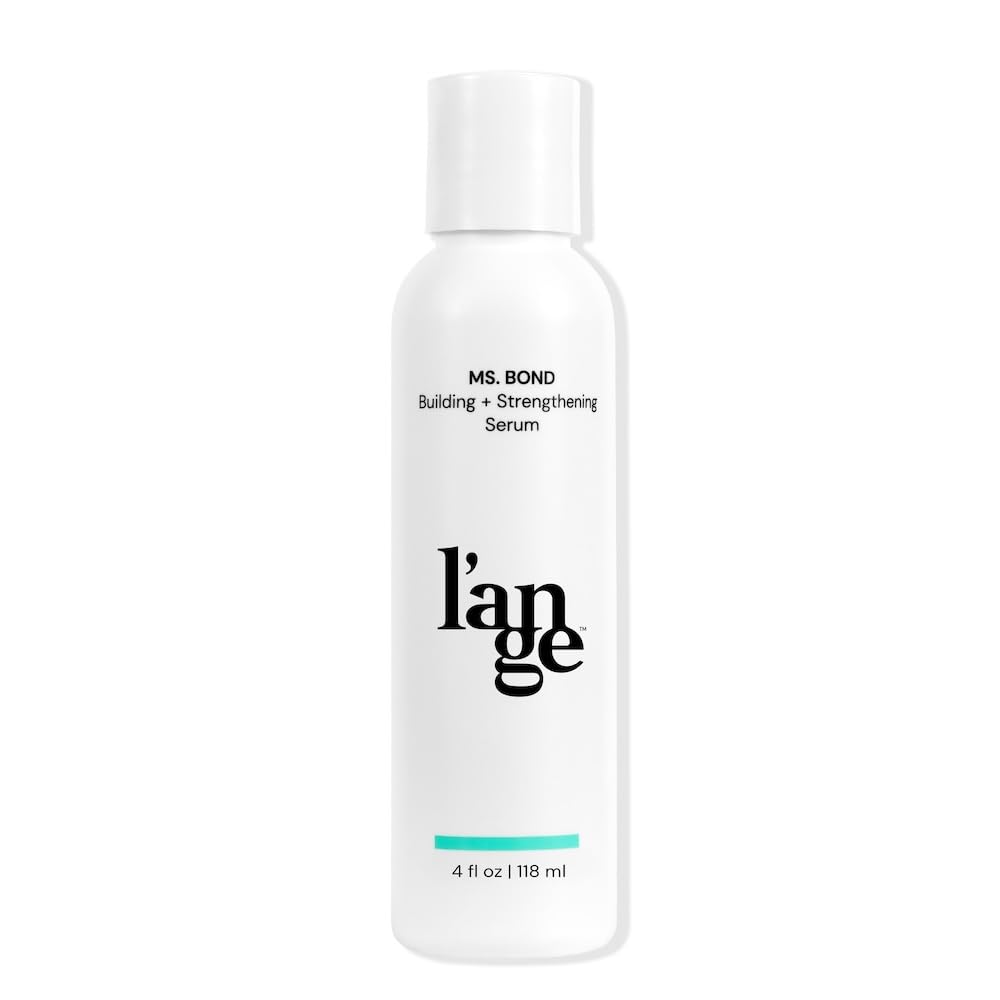
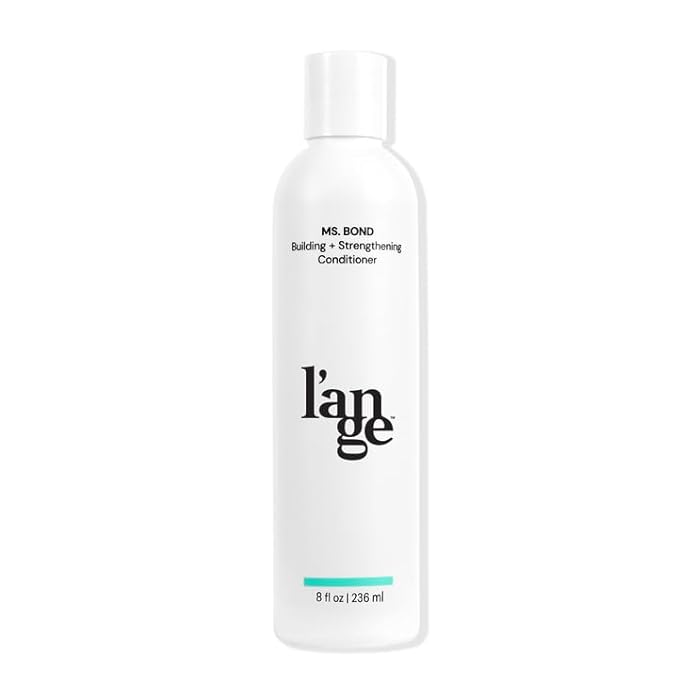
As the popularity of bond repair technology grows, more brands are launching dedicated lines. At ONID TECH, we recommend starting with a proven bond repair shampoo that can be used daily without stripping your hair. One standout option is the L'ANGE HAIR Ms. Bond Building + Strengthening Shampoo (8 fl oz Bottle). This sulfate-free formula is enriched with bond-rebuilding ingredients and is gentle enough for color-treated or chemically processed hair. It works synergistically with other products in the MS Bond System to deliver comprehensive repair.
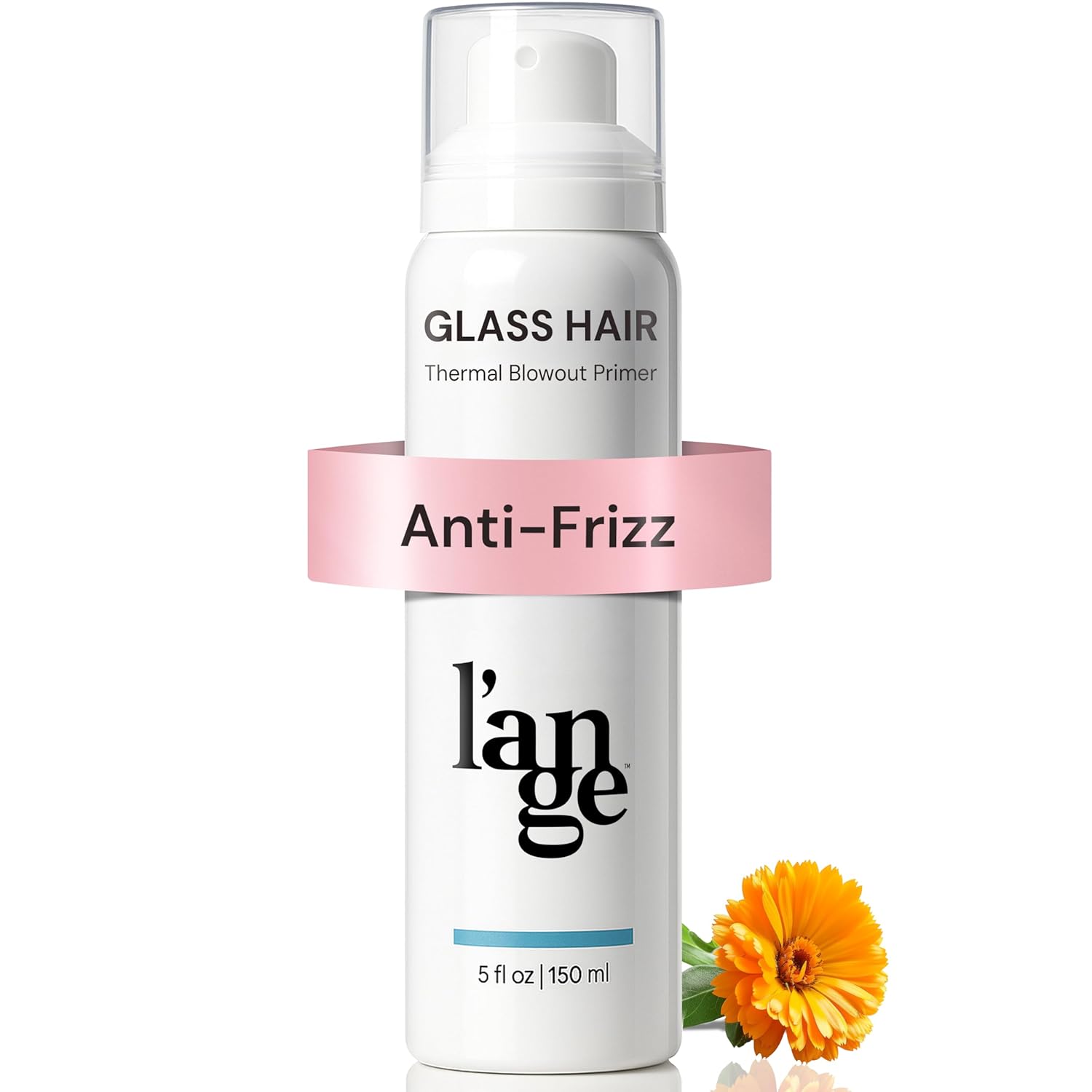
For those who prefer a leave-in approach, serums and balms offer concentrated bond repair benefits. The L'ANGE HAIR Sorbet Botanical Smoothing Balm is an excellent choice—it combines bond-strengthening proteins with botanical extracts to smooth frizz while actively repairing damage. Use it before heat styling for added protection and a silky finish.
How to Choose the Right Bond-Building Treatment for Your Hair Type
Not all bond-building products are created equal, and the right choice depends on your specific hair needs. Here’s a quick guide to help you decide:
| Hair Type / Concern | Recommended Product Form | Key Ingredients to Look For |
|---|---|---|
| Color-treated or bleached hair | Bond repair shampoo + weekly mask | Bis-aminopropyl diglycol dimaleate, keratin |
| Fine or thinning hair | Lightweight serum or leave-in spray | Hydrolyzed wheat protein, ceramides |
| Curly or coily hair (prone to breakage) | Rich cream or balm | Coconut oil, amino acids, shea butter |
| Dry, damaged hair from heat styling | Bond-building heat protectant | Arginine, hydrolyzed soy protein |
Common Myths About Bond-Building Treatments
Despite their growing popularity, there are still misconceptions about how bond-building treatments work. Let’s clear up a few:
- Myth: Bond builders are just expensive conditioners. Fact: They work on a molecular level to repair broken bonds, while conditioners only coat the surface. The difference in results is significant, especially for severely damaged hair.
- Myth: They are only for bleached hair. Fact: While they are essential for chemically processed hair, bond-building treatments also benefit anyone who uses hot tools, brushes, or even tight hairstyles that cause mechanical stress.
- Myth: You need to use them every day. Fact: Many bond repair products are designed for weekly or bi-weekly use, depending on your level of damage. A good bond repair shampoo can be used daily, but treatments like masks should be used as directed.
- Myth: They replace regular conditioner. Fact: Bond builders are not a substitute for moisturizing conditioners. They work best in tandem with your regular care routine—apply a bond treatment after shampooing and before conditioning, or as a separate step.
The Future of Hair Repair: What’s Next?
As research into hair biology advances, we can expect even more sophisticated bond-building technologies. Upcoming innovations may include treatments that repair bonds using light-activated compounds or custom formulations based on individual hair DNA. Brands are also focusing on sustainability, developing bond builders from biodegradable sources that are free from harsh chemicals. The intersection of science and clean beauty will continue to drive this category forward, making professional-grade hair repair accessible to everyone.
Conclusion: Invest in Stronger Hair Today
Bond-building treatments represent a paradigm shift in hair care—they address the root cause of damage rather than just masking symptoms. By incorporating a targeted bond building hair treatment into your routine, you can restore strength, elasticity, and shine to even the most compromised locks. Whether you’re a color enthusiast, a heat styling devotee, or simply someone looking to maintain healthy hair, these products are a worthwhile investment.
Ready to transform your hair health? Explore the L'ANGE HAIR Ms. Bond Building + Strengthening Shampoo (8 fl oz Bottle) and discover how bond repair technology can give you the strong, beautiful hair you deserve.