Bond-Building Shampoo vs. Regular Shampoo: How They Strengthen and Repair Damaged Hair
By ONID TECH | Published: 2026-06-14
Category: Industry News
Discover the key differences between bond-building shampoo and regular shampoo. Learn how bond repair shampoos strengthen damaged hair, reduce breakage, and restore shine—plus top product picks.
If you’ve ever colored, heat-styled, or chemically treated your hair, you know the struggle: breakage, dullness, and relentless frizz. While regular shampoos cleanse and refresh, they often fall short when it comes to repairing the internal structure of each strand. Enter bond-building shampoos—a new category of hair repair shampoo designed to rebuild the disulfide bonds that give hair its strength and elasticity. In this guide, we’ll compare bond-building shampoo vs. regular shampoo, explain how bond repair works, and help you decide which is best for your damaged hair treatment routine.
What Is Bond-Building Shampoo?
Bond-building shampoos contain active ingredients—like patented bond-repair complexes—that penetrate the hair cortex to reconnect broken disulfide bonds. These bonds are often weakened by chemical services (bleach, color, relaxers), excessive heat styling, and environmental stress. Unlike a standard shampoo that cleanses the outer cuticle, a bond-building formula works from the inside out, restoring structural integrity while gently removing buildup.
Popular bond-building systems, such as the L'ANGE HAIR Ms. Bond System (3-in-1 Bundle Pack), combine a bond-repairing shampoo, conditioner, and treatment to deliver comprehensive strengthening shampoo benefits in one routine. This approach is ideal for those with severely damaged or over-processed hair who need intensive repair.
What Does Regular Shampoo Do?
Regular shampoos are formulated primarily for cleansing. They use surfactants to remove dirt, oil, and product residue from the scalp and hair. While many offer moisturizing or volumizing benefits, they rarely address internal bond damage. Some clarifying or sulfate-heavy shampoos can even strip natural oils and exacerbate damage over time.
That doesn’t mean regular shampoo has no place—it’s excellent for maintaining healthy hair or for occasional deep cleansing. But if your hair is already compromised, a dedicated bond-repairing cleanser will deliver far more noticeable results.
Key Differences at a Glance
| Feature | Bond-Building Shampoo | Regular Shampoo |
|---|---|---|
| Primary function | Cleanses + repairs internal bonds | Cleanses only |
| Best for | Color-treated, bleached, heat-damaged hair | Healthy or minimally stressed hair |
| Key ingredients | Bond-repair complexes, amino acids, ceramides | Surfactants, moisturizers, botanicals |
| Frequency of use | Every wash (or as per system directions) | Daily or as needed |
| Cost | Higher upfront, but targeted results | Wide range, generally lower |
| Long-term benefit | Reduces breakage, improves elasticity | Maintains cleanliness, minimal repair |
How Bond Repair Works: The Science Behind It
Your hair’s strength comes from disulfide bonds—chemical links between sulfur atoms in the protein structure. When hair is bleached or heat-styled, these bonds break, leading to weak spots and split ends. Bond-building shampoos deliver small molecules (often based on amine-functionalized silicones or patented amino acid complexes) that travel into the cortex and reconnect those broken bonds.
For best results, bond-building shampoo should be paired with a complementary conditioner or treatment. Many brands offer complete systems to maximize repair. For example, using a bond repair shampoo followed by a rich conditioner like the L'ANGE HAIR Envie Leave-In Conditioner (4 Fl Oz) can lock in moisture while supporting the bond-repair process.
Bond-Building Shampoo vs. Regular Shampoo: Which Should You Choose?
When to Choose Bond-Building Shampoo
- Color-treated or bleached hair: Chemical services are the #1 cause of bond damage.
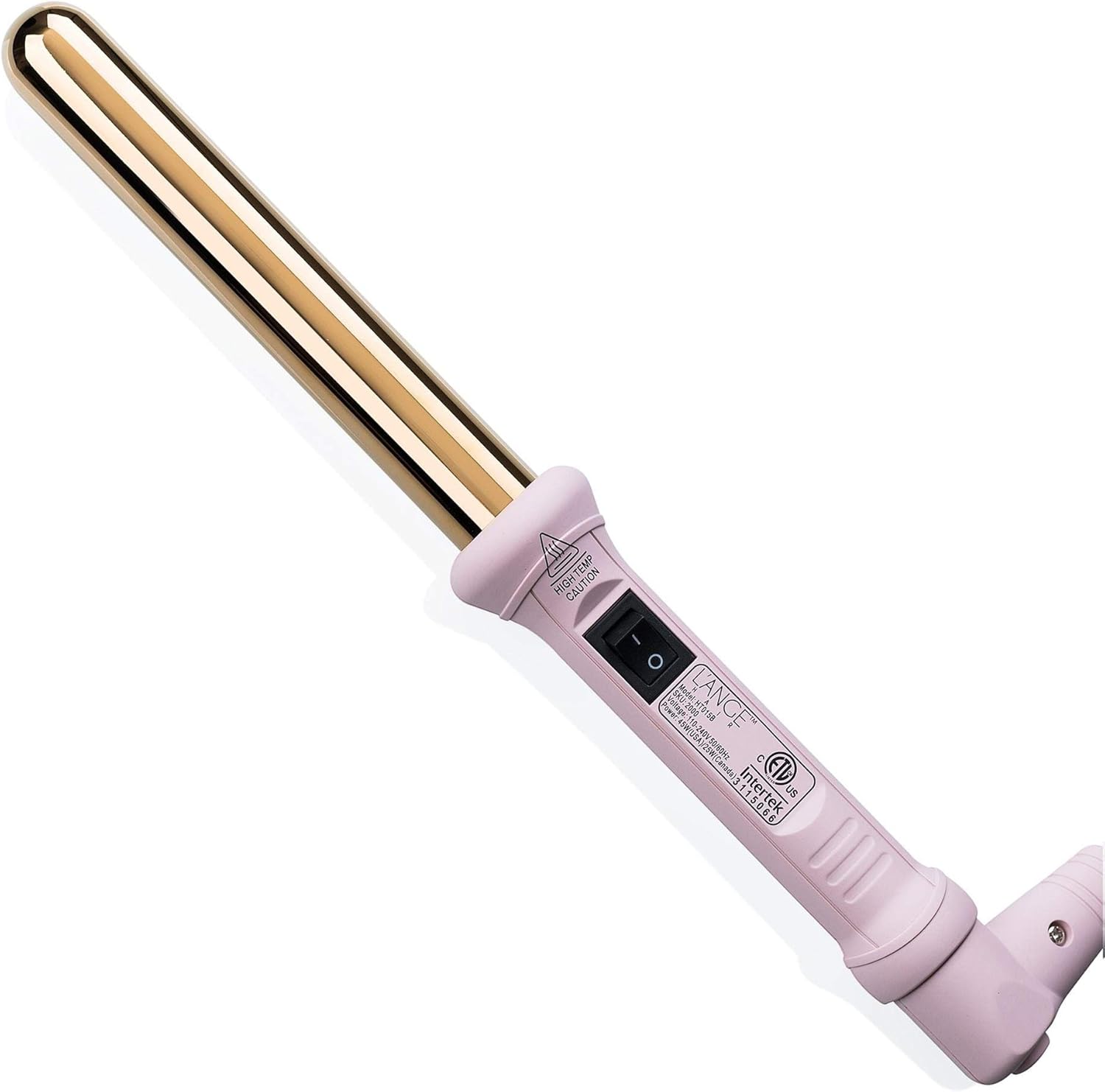
- Frequent heat styling: If you use curling wands, flat irons, or blow-dryers daily, your hair needs extra structural support.
- Dry, brittle texture: Hair that snaps easily or lacks elasticity is a prime candidate for bond repair.
- Over-processed or relaxer-damaged hair: These treatments severely compromise internal bonds.
A dedicated bond-building regimen can dramatically reduce breakage, improve shine, and extend the life of your color. Many users report visibly stronger, smoother hair within 4–6 weeks of consistent use.
When Regular Shampoo Is Fine
- Healthy, virgin hair: If you don’t color or heat-style often, regular shampoo is sufficient.
- Oily scalp: Some bond-building formulas are gentler, but regular clarifying shampoos can better manage excess sebum.
- Budget considerations: Bond-building shampoos are an investment; regular options are more wallet-friendly.
How to Incorporate Bond-Building Shampoo Into Your Routine
Switching to a bond-repairing shampoo is simple. Start by replacing your regular shampoo with a bond-building formula 2–3 times per week. Follow with a matching conditioner or a leave-in treatment to replenish moisture. For the best results, use the entire system—shampoo, conditioner, and a weekly bond-repair mask.
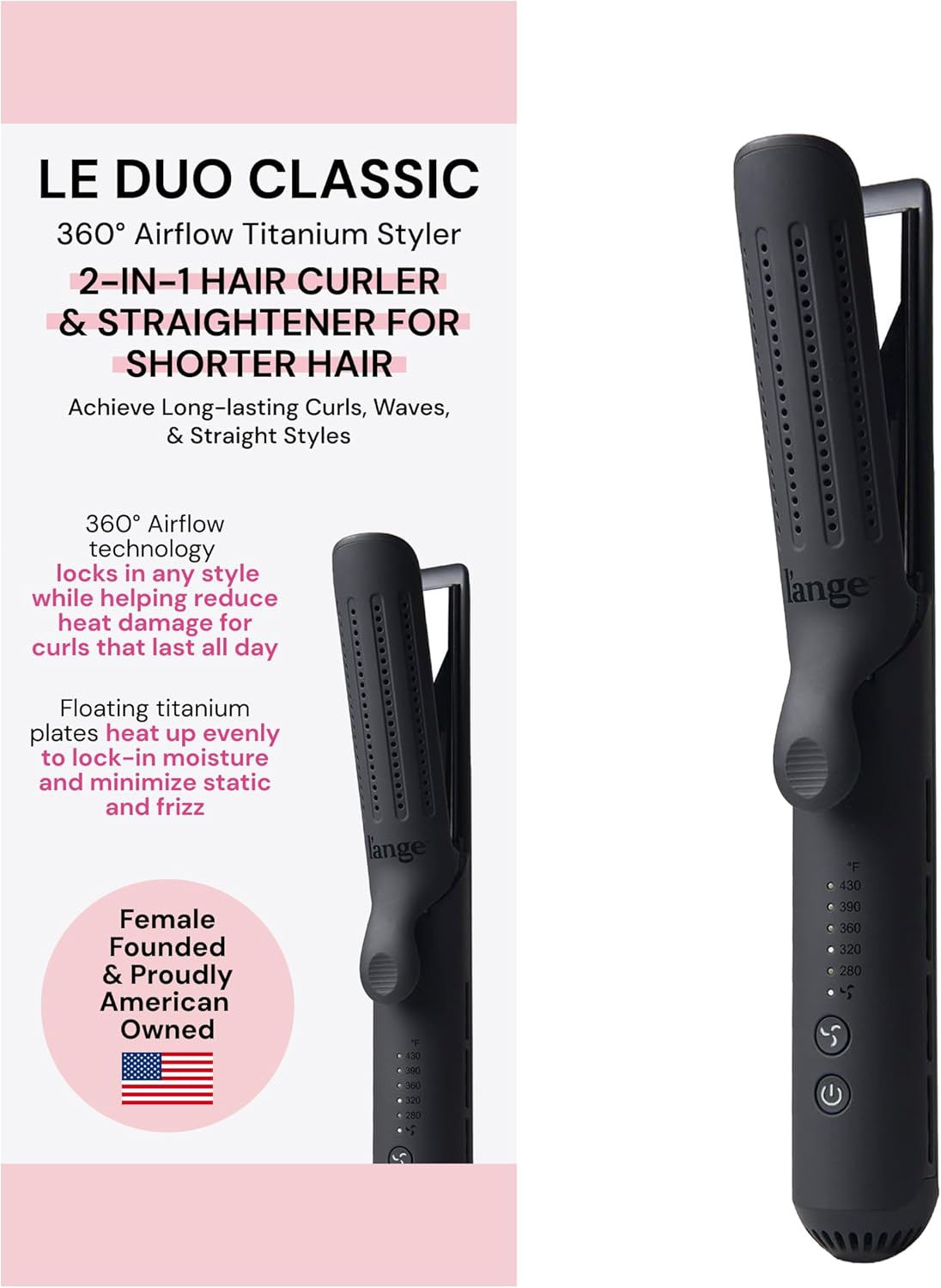
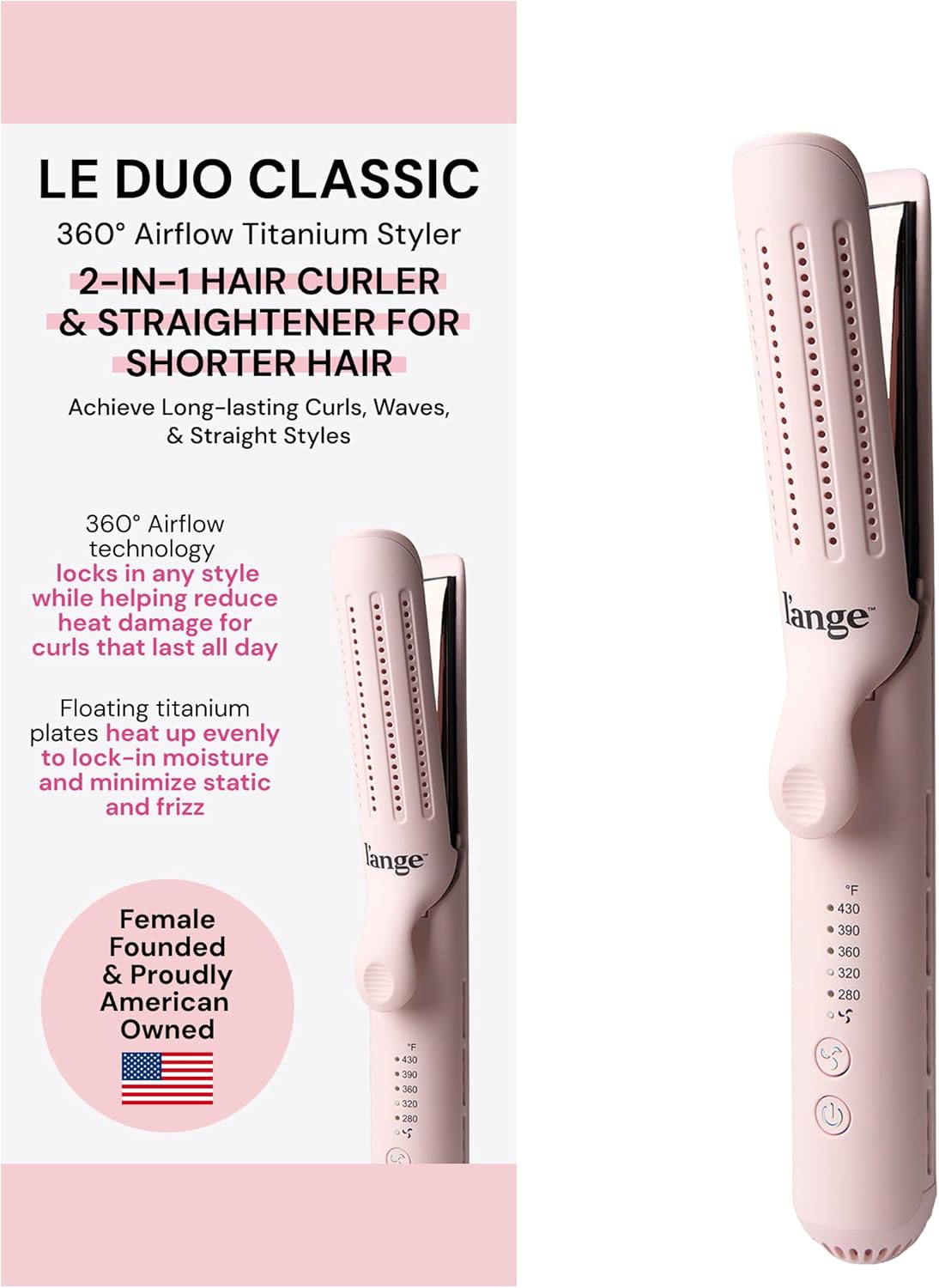
If you also style with heat, round out your routine with a heat protectant before using tools like the L'ANGE HAIR Le Duo Standard 360° Airflow 2 in 1 Straightener and Curler (Black). This ensures you’re both preventing future damage and repairing existing weaknesses.
Common Myths About Bond-Building Shampoos
Myth #1: Bond-building shampoos are only for bleached hair. While they’re essential for blondes, anyone with chemical treatments, heat damage, or even hard water buildup can benefit.
Myth #2: They make hair greasy. On the contrary, most bond repair formulas are lightweight and sulfate-free, so they cleanse without stripping.
Myth #3: Regular shampoo can do the same job. No—regular shampoo lacks the bond-repairing molecules needed to rebuild internal structure. Think of it as a surface cleaner vs. a deep restorative.
Real Results: What Users Report
Hair enthusiasts who switch to bond-building shampoos often notice less hair in their shower drain, reduced split ends, and a noticeable improvement in texture. Many also find that their color lasts longer because the bonds hold pigments more effectively. The key is consistency: bond repair is cumulative, not instant.
Final Verdict: Bond-Building Shampoo Wins for Damaged Hair
When comparing bond-building shampoo vs. regular shampoo, the winner for damaged hair is clear. Bond-building formulas offer targeted repair that regular cleansers simply can’t match. If your hair is crying out for help after months—or years—of styling and coloring, a bond-repairing system is a game-changer.
Ready to restore your hair’s strength and shine? Start your journey with the L'ANGE HAIR Ms. Bond System (3-in-1 Bundle Pack) and experience the difference that bond repair can make.